


In 2018, Laura Young, an antiques dealer with an eye for the extraordinary, made a serendipitous discovery at a thrift store in Austin, Texas. Among the assorted items tucked away in the shop, a marble bust caught her attention. Priced modestly at $34.99, the artifact seemed like an intriguing find. Little did she know that this unassuming sculpture was a priceless Roman artifact, over 2,000 years old, and missing for decades. This remarkable story of rediscovery, intrigue, and historical significance has since captivated the world.
Laura Young's professional expertise as an antiques dealer allowed her to recognize the potential value of the bust. Crafted from marble and weighing approximately 23 kilograms (50 pounds), the piece displayed an intricate level of detail that hinted at its historical importance. Although she could not immediately identify its origins, Young was convinced the bust was no ordinary object.

She purchased it and began a meticulous investigation to uncover its story. This journey would take several years, involving collaborations with museums, art historians, and auction houses. What she discovered was nothing short of astonishing: the bust was a genuine Roman artifact, dating back over two millennia, and steeped in a complex history.
The bust was identified as part of the collection once housed in a Bavarian palace in Germany. Commissioned in the 1840s by King Ludwig I of Bavaria, the palace was designed to emulate the grandeur of an ancient Roman villa. This artifact, along with other classical sculptures, adorned the palace and served as a testament to the king’s admiration for Roman art and culture.
However, the bust’s journey from a Bavarian palace to a Texas thrift store is a tale shaped by the chaos of war. During World War II, the palace suffered extensive damage due to Allied bombing campaigns. Amidst the destruction, many artifacts were displaced or looted. It is believed that an American soldier, serving in the war, took the bust as a souvenir and brought it to the United States. Over time, the artifact changed hands, eventually finding its way to the thrift store where Young discovered it.
Once Young realized the bust’s historical potential, she reached out to experts for assistance. She contacted auction houses, art historians, and museums, piecing together the sculpture’s provenance. Experts at the San Antonio Museum of Art played a key role in confirming the artifact’s authenticity and tracing its journey from Bavaria to Texas.
The bust’s origins were further corroborated through photographic records of the Bavarian palace, where the sculpture had been prominently displayed before World War II. The findings not only confirmed the bust’s age and cultural significance but also established its rightful ownership by the Bavarian government.

While the discovery was thrilling, it came with legal and ethical complexities. The bust was classified as stolen property, making it impossible for Young to sell or permanently keep it. Instead, she entered into negotiations with the Bavarian government to facilitate the artifact’s repatriation—a process by which cultural items are returned to their place of origin.
The Bavarian government acknowledged Young’s pivotal role in rediscovering the artifact and agreed to pay her a finder’s fee as a gesture of appreciation. This arrangement ensured the artifact’s safe return to Germany while recognizing Young’s efforts in preserving its history.
Before its return to Bavaria, the bust was placed on temporary display at the San Antonio Museum of Art. This exhibit provided visitors with a unique opportunity to view the artifact and learn about its extraordinary journey. The museum included historical context, showcasing photographs of the Bavarian palace and explaining the circumstances that led to the artifact’s displacement during World War II.
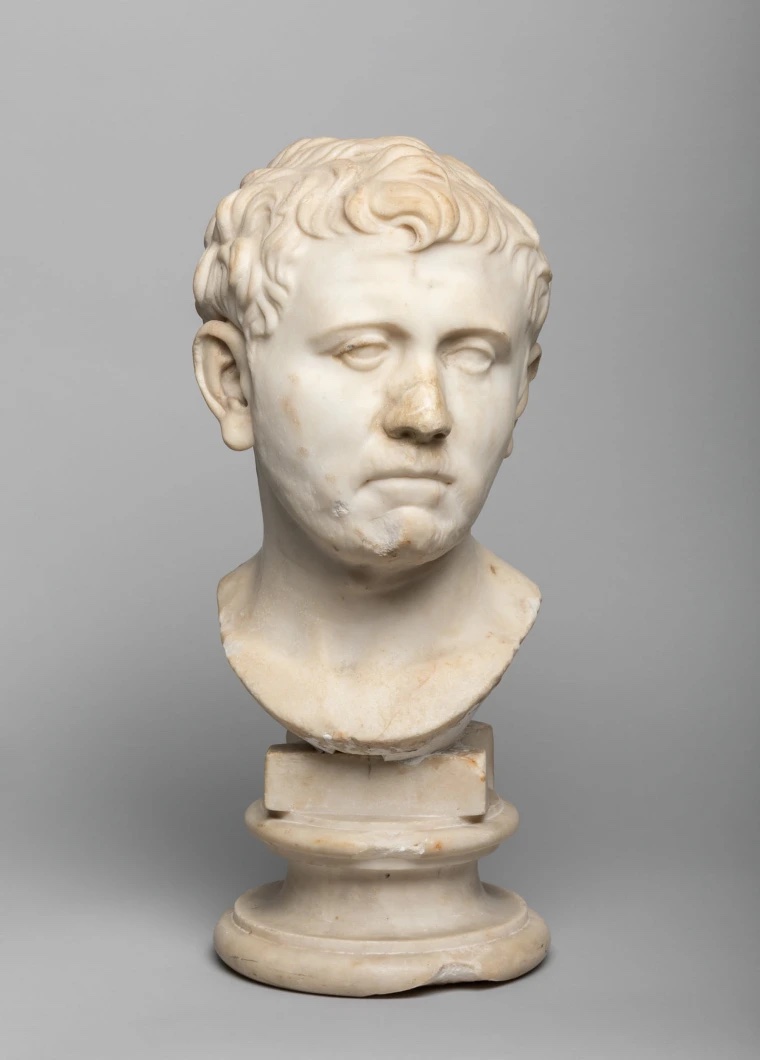
For Laura Young, the temporary display marked the culmination of her years-long journey with the artifact. Reflecting on the experience, she described her feelings as bittersweet. “I’m glad I got to be a small part of its long and complicated history, and he looked great in the house while I had him,” she said.
In 2023, the bust was officially returned to Bavaria as part of a broader effort to repatriate cultural artifacts displaced during times of conflict. The process highlights the importance of ethical practices in the art and antiquities world. It serves as a reminder of the responsibility to preserve cultural heritage and ensure its rightful ownership.
Bavaria, once an independent kingdom with its own royal lineage, has a rich history of art and architecture. The return of the bust represents a significant step in restoring its historical treasures. The artifact will likely be displayed in a Bavarian museum, allowing it to be appreciated in its original cultural context.

The story of the Roman bust underscores the unpredictable nature of historical artifacts and the intricate journeys they often undertake. It also highlights the role of individuals, like Laura Young, in uncovering and preserving history. Her discovery sheds light on the complexities of wartime displacement and the importance of safeguarding cultural heritage.
Moreover, the bust’s journey raises awareness about the ethical considerations involved in the acquisition and ownership of historical artifacts. It serves as a case study for museums, collectors, and governments, emphasizing the need for transparency and collaboration in addressing issues of provenance and repatriation.

For Laura Young, the discovery of the Roman bust was a once-in-a-lifetime experience. Her dedication to uncovering its story and ensuring its rightful return to Bavaria is a testament to her integrity and passion for history. The artifact’s return to Germany is not just a resolution of a legal matter but also a celebration of shared cultural heritage.
The bust’s remarkable journey—from ancient Rome to a Bavarian palace, then to Texas, and back to Bavaria—embodies the interconnectedness of human history. It serves as a reminder of the enduring value of art and artifacts, offering insights into the past while inspiring efforts to protect such treasures for future generations.
In the end, Laura Young’s serendipitous find at a thrift store became a global story of rediscovery, ethics, and historical preservation. Her role in the artifact’s journey will forever be a part of its long and fascinating history—a legacy of curiosity, diligence, and respect for the past.


0 commentaires: