
Divers Chase Decades-Old Rumor, Find Classified Item That Was Never Meant To Go Public
Movies and television shows love to show characters getting rid of something by throwing it into a lake, the ocean, or any similar large body of water. We’ve all seen this before.
In today’s day and age, there are countless myths and legends that have popularized the idea that cities, treasures, objects, and even aliens are hidden under our water. But do these stories have an element of truth to them?
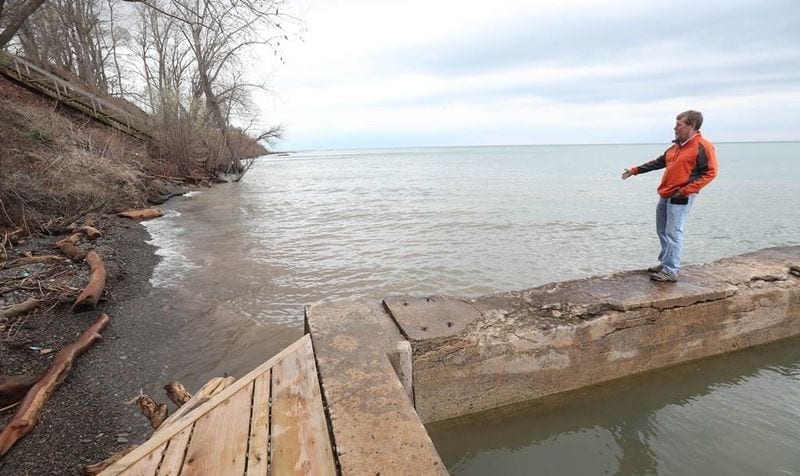
By now, you would think that we have explored our entire plant, but we have not. The majority of the earth is under water, only 65% of which has not been explored.
According to science, we know more about outer space than what lies underwater. But humans are curious beings, and because of this, many have tried to prove and disprove some of the legends and myths about the things beneath the surface of our water.
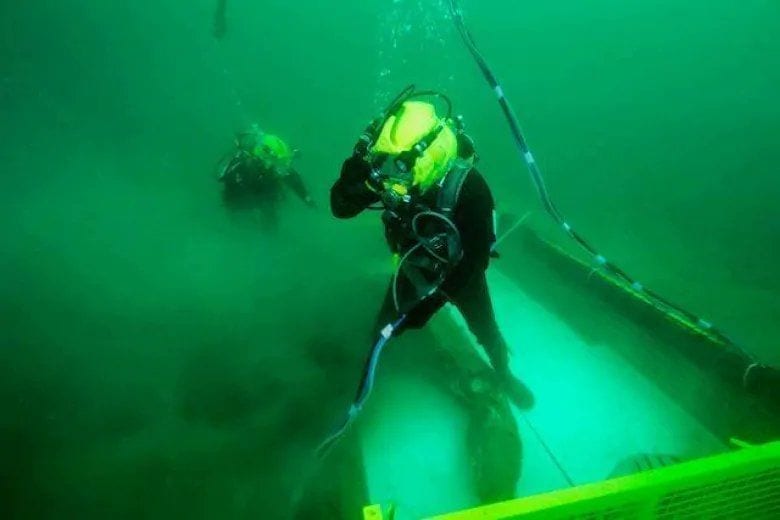
A few years ago, in August 2017, a team of researchers decided to come together. They were getting ready for an expedition to Lake Ontario in Canada. Legends had been floating around, claiming that a special piece of Canadian history lay at the bottom of Lake Ontario.
They were driven and excited about their mission. They knew that if they succeeded, it would be an amazing achievement. They called it ‘Mission: Raise The Arrow.’
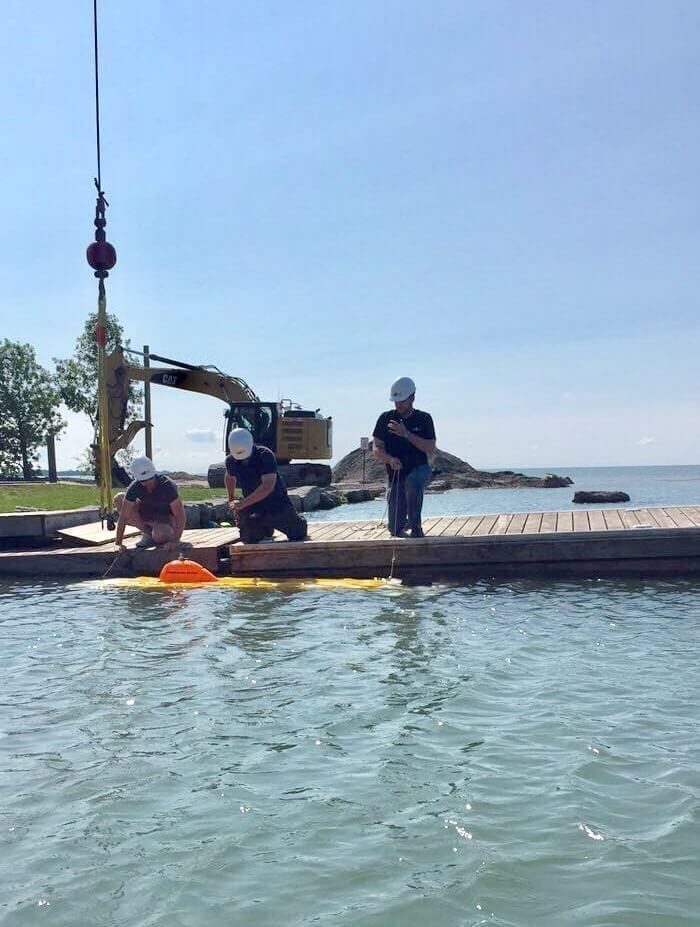
The team worked for OEX Recovery Group Incorporated, a company that specializes in salvaging items “in distress”. They are known to work alongside Canadian financial and mining outfits in an effort to recover missing objects from the bottom of Lake Ontario.
The company had heard the rumors that such a valuable object was lost at the bottom of the lake, which was why they decided to jump into action.
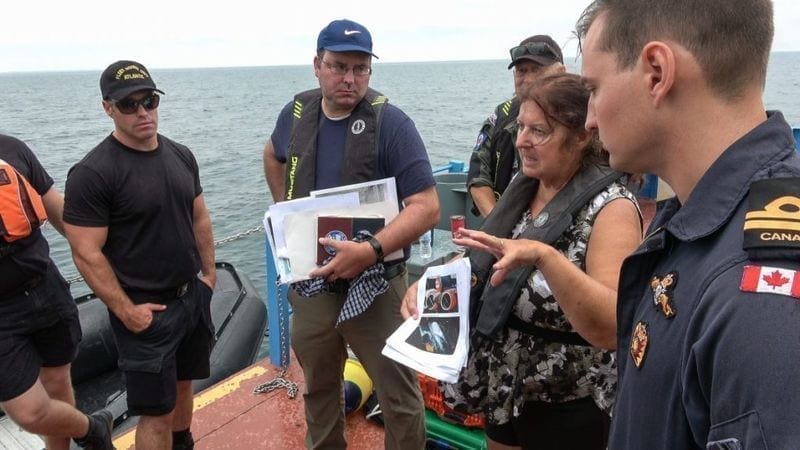
Oftentimes, the objects mentioned in these myths and legends are so important, valuable, or unique that once they are identified, it is important to find them as soon as possible. That was the one single purpose of the Raise The Arrow project.
OEX knew that the discovery would leave the entire world stunned, so they decided to fund the project immediately.
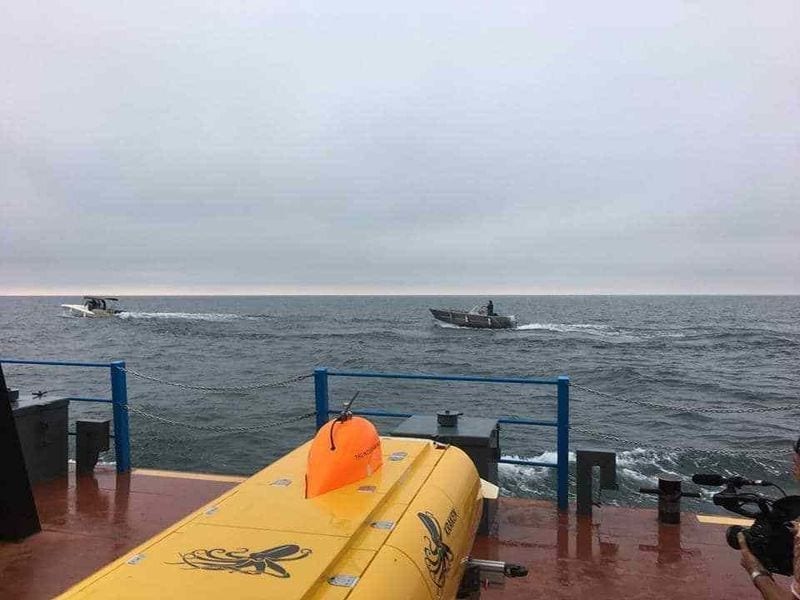
The project might’ve seemed simple enough. All they had to do was search likely locations in the lake to find the objects, right? Well, it was a long shot. Sometimes, these objects are so well hidden that they’re never found, and raising them to the surface of the water can be extremely difficult.
But there was also a chance that the rumors were false, and there was nothing to be found. This project would cost a fortune to fund, and the team was under a ton of pressure. But would it pay off in the end?
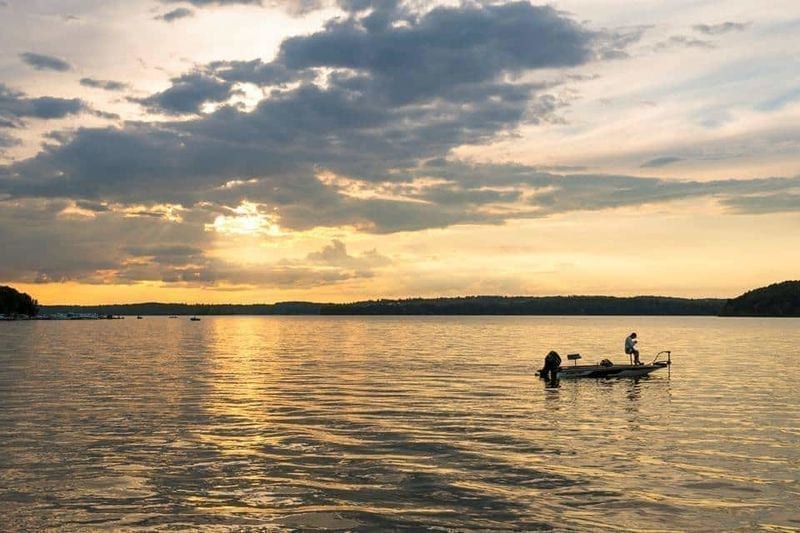
On that day, the water around the boat was calm and clear, but more than anything, it was silent. The water didn’t stir a bit. It was almost as if the water itself was waiting in anticipation for the team to explore it.
Excited, the team imagined what they would find below the surface.
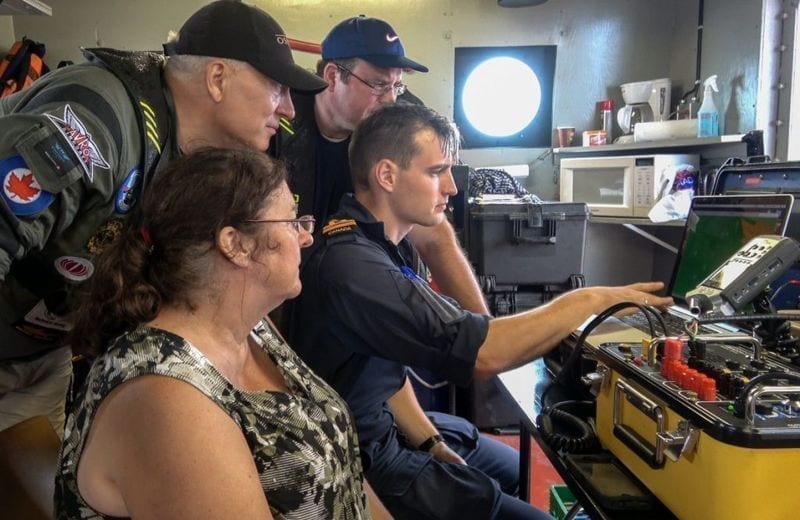
The items they were searching for were of such high value that the company couldn’t risk letting the outside world know what it was they were looking for.
On the off chance that it was little more than a myth, they were careful not to get their hopes up. The team themselves weren’t even entirely sure what it was they were searching for. But this only made things more exciting for them.
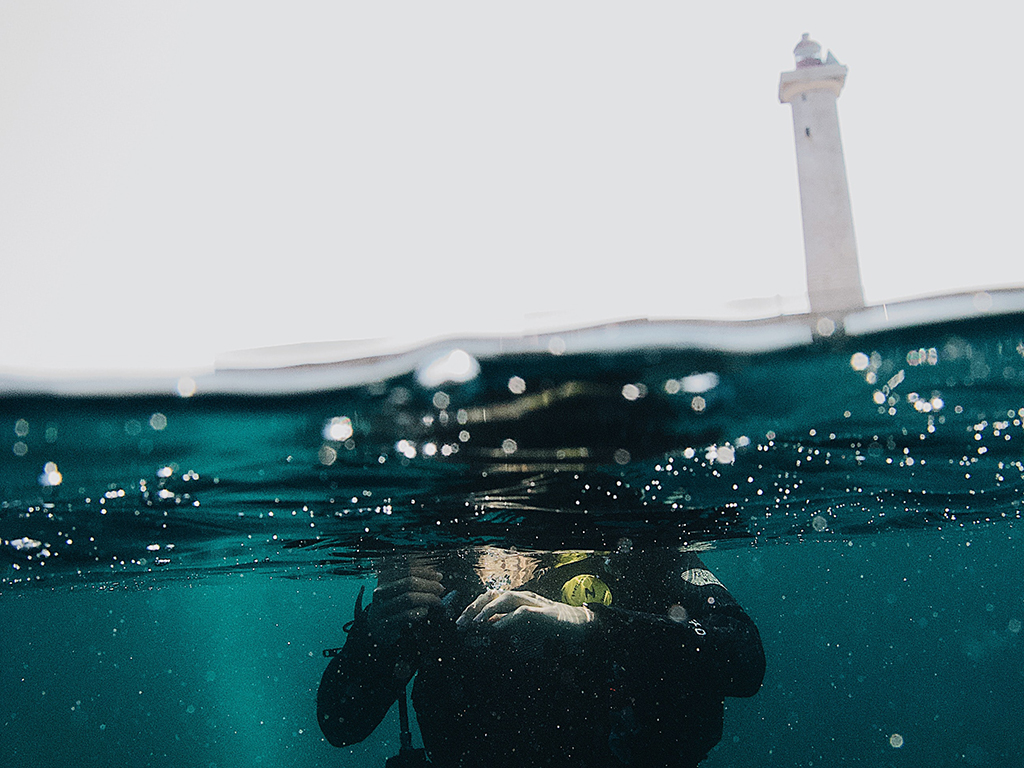
The rumors started in 1950. One day, many decades ago, dozens of reports were made by locals, claiming that they had seen something in the lake which vanished as soon as they saw it.
It was now more than six decades after the strange event occurred, and they still had no answer. But what on earth could they have seen?

All of these sightings were extremely brief and no one had the time to process what they were looking at. It all just happened too fast. But this short moment in time had a long-lasting impact on the witnesses.
For decades, the story would be remembered and mulled over. Everyone wanted to know what they had seen all those years ago.
Finally, there was a chance for answers. The team of Raise The Arrow was hoping to answer the question once and for all. The locals eagerly shared the stories with the team.
The one thing, however, that they couldn’t answers was what it might be.
The various witnesses happily pointed out where it happened. After leading them to the edge of the lake, a large area was pointed out offshore where the incident was supposed to have happened.
This gave the team a starting point at least. With all their gear ready, the team started to prepare for the adventure.
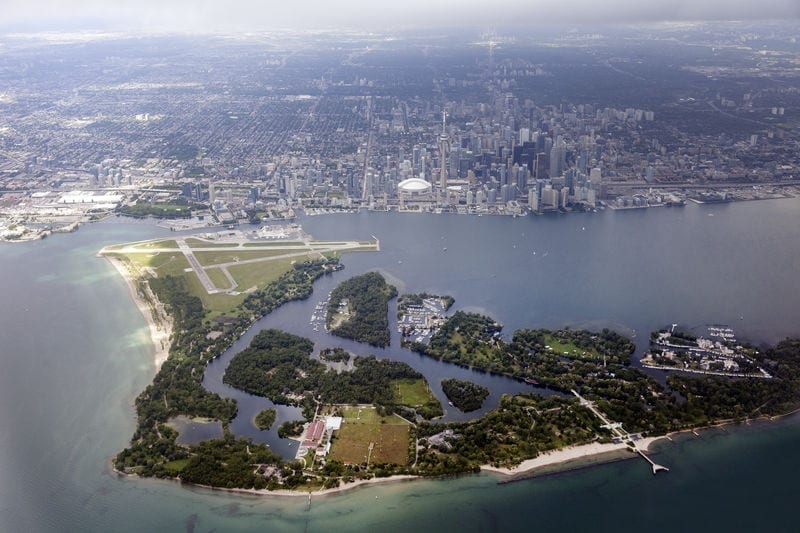
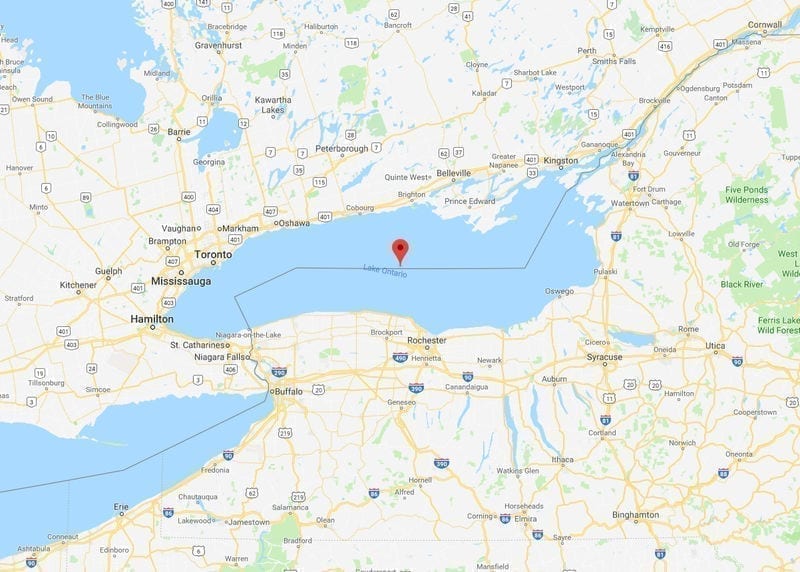
The area pointed out was called Point Petre, located on the northeastern shores of Lake Ontario. This little peninsula is in Ontario’s Prince Edward County. There are no nearby urban areas as it is a protected wildlife conservation area.
The pebble beaches in the area are popular among tourists, as are the rock cliffs and limestone formations.
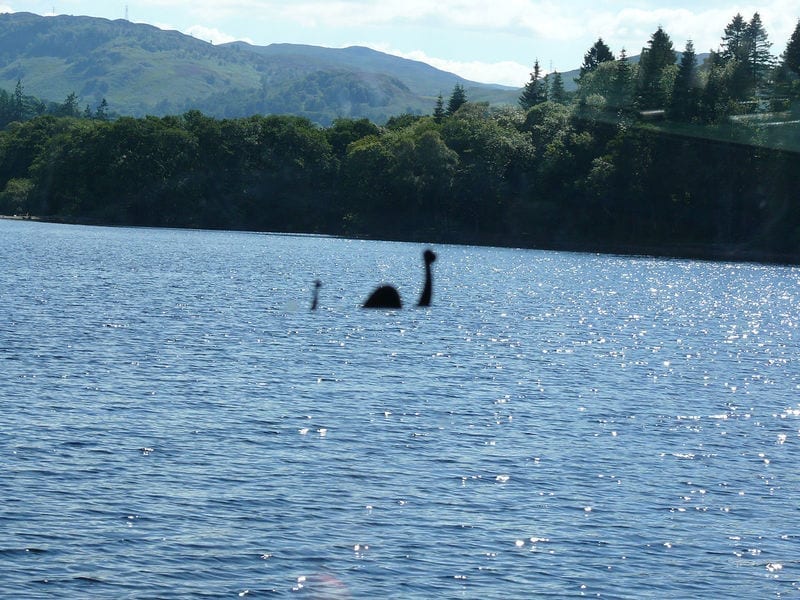
Like any other lake, legends accumulate around such areas. These contain all kinds of monsters and characters. A famous example is Loch Ness in Scotland where the famous Loch Ness Monster, or Nessie, is rumored to live.
Many scientists have labeled Nessie as a hoax but the high number of sightings make people wonder if it might be true.
Lake Ontario has been at the center of many rumors. In 2013 it was rumored that an alien species had created a base under the water of the lake.
Many people found the idea of aliens at the bottom of the lake exciting, despite the fact that it is unlikely.
Lake Ontario is one of the five Great Lakes of North America, with shores in both Canada and the US. Its name means ‘Lake Of Shining Waters’ in the Huron language.
It’s the smallest of the Great Lakes, although still the 13th largest lake in the world. At the end of the Great Lake chain, Lake Ontario is the lowest at 243 feet (ca. 74 m) above sea level.
The lake was carved out by the Wisconsin ice sheet during the last ice age. At one point the lake was actually a bay on the Atlantic ocean. You can see dry beaches and banks up to 25 miles (ca. 40 km) from the current shores, tracing the changes to the lake over the millennia.
With the weight of the glaciers gone, the plates floating on the lava inside the globe are still bouncing back upwards. As the land rises out of the water, it tips a little, and inhabitants of the southern shores lose a bit of their land to the hungry ripples.
634 miles (ca. 1,020 km) of shoreline surround the waters of the lake. A further 78 miles (ca. 126 km) outline its many islands. At its deepest, it’s 133 fathoms to the bottom. Due to its depth, it never completely freezes in winter.
The lake is fed by 10 rivers, including the Niagara river, waters tumbling down from the famous waterfalls to the southeast. Those waters leave by the St Lawrence River, stretching northeast on its way to the Atlantic ocean.
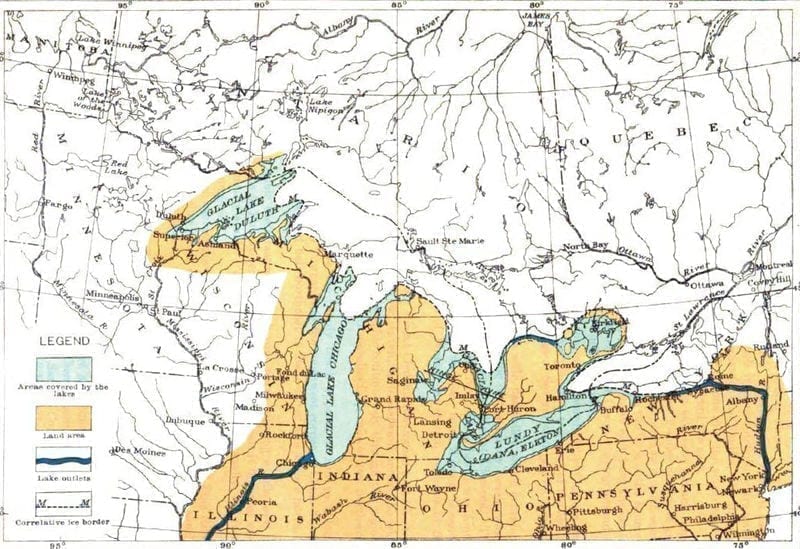
Cities border the shores of Lake Ontario, most notably Toronto on the Canadian side, and Rochester on the US side. But much of the lake is home to large wetlands, which support a varied ensemble of plant and animal species.
Pollution and deforestation have depleted many of the species native to the area. Nowadays the wetlands and forests surrounding the lake are protected areas.
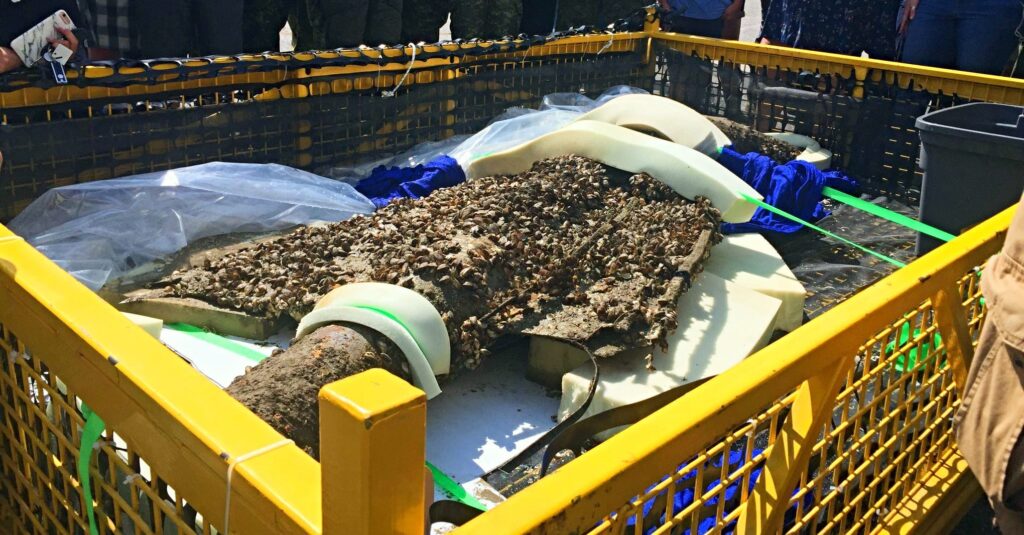
Lake Ontario’s shores are thousands of years old. They contain nearly 400 cubic miles of dark, secretive water. They stretch across the border of two great nations. The task before the team was of Biblical proportions. But they had help.
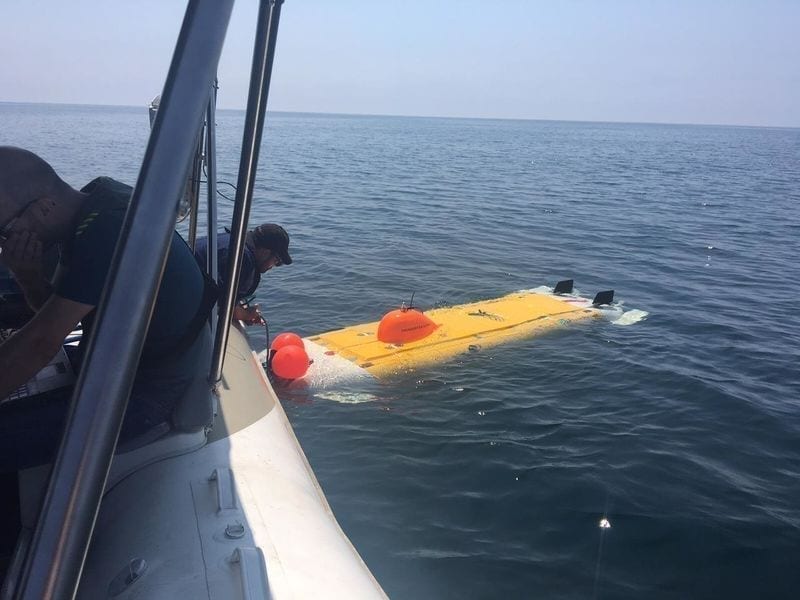
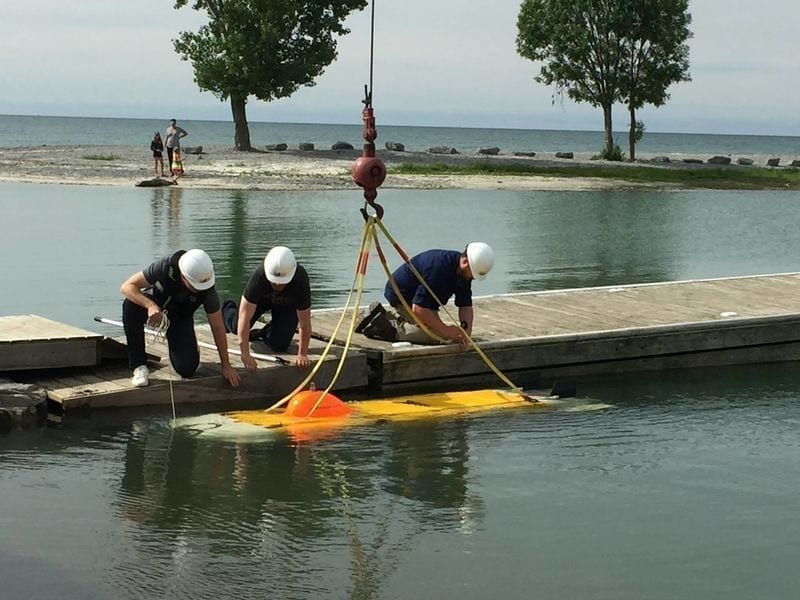
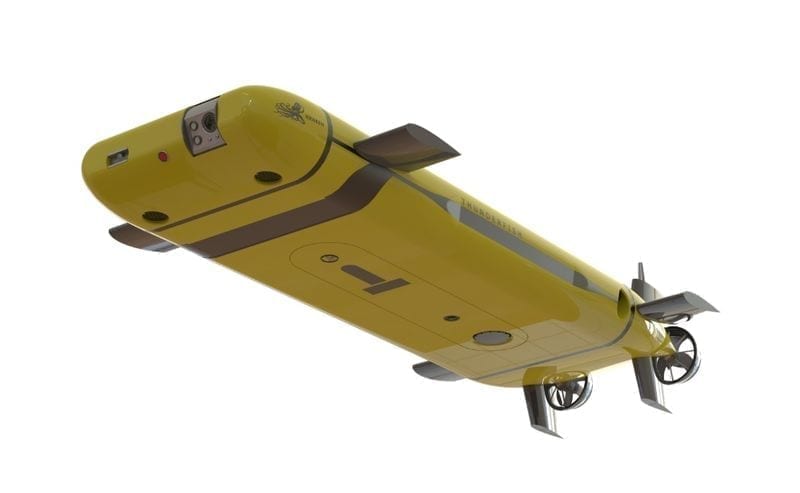
Meet the ThunderFish! This cute little craft is an automatic underwater vehicle, a mini-submarine. It’s pretty much a drone that swims instead of flies. Its camera is a sonar device that can take high-resolution images of the environment surrounding it.
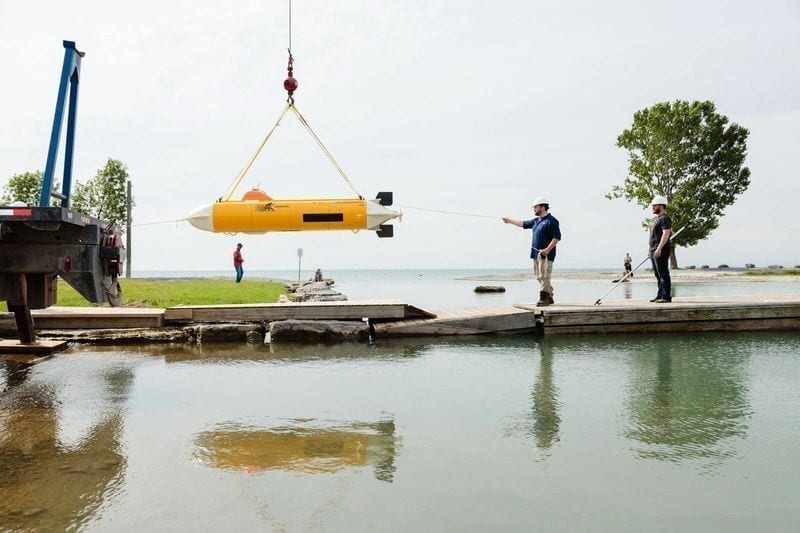
No-one is living in this yellow submarine, though. The team remained on dry land whilst piloting it around the designated area of the lake bed. And the ThunderFish delivered. It sent wonderful images back to its gloating masters. What did it see?
All stories were put to the side now. There would be no made-up monsters, no alien invasions. They didn’t know what they were looking for, but there could be no doubt that the sonar images in front of them showed something.
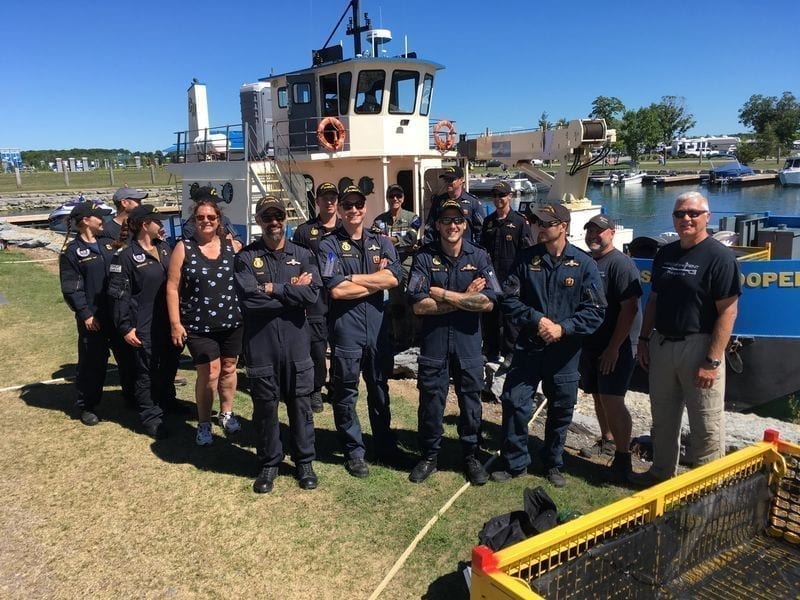
What was it appearing on the screens before them? What could the nifty little probe be looking at, fathoms below them? The team craned forward over the images, trying to make some sense from them.
As if they were squinting just right at a 3D picture, suddenly the shapes fell into place for the team. It was an aircraft! But it wasn’t just any old aircraft. This one was special.
How special? I hear you ask. Well, let’s do a bit of time traveling, and see if we can spot the aircraft new and shiny, and not yet wet. Let’s peer in the windows of a hangar, somewhere in Canada, owned by the government, in 1946.
The second World War had just ended, but tensions between the Eastern and Western Blocs were high. Each side was looking for an edge over the other. The Canadian government was pinning its hopes on a new jet fighter with serious destructive capabilities.
The Cold War was beginning. Both sides were eager to gain a military advantage over the other in the event of a large-scale battle. The war ended in 1991 without such an encounter ever happening, thus earning its title, the ‘Cold’ War.
For over 40 years the threat of invasion hung over the world. On one side, the Western Bloc, generally democratic, headed by the US. On the other, the Eastern Bloc, communist, headed by the USSR. The emerging third world countries tried desperately to stay neutral.

Both East and West possessed the power to annihilate vast areas of land with one atomic bomb. No-one really wanted this to happen, and it was the threat from both sides that kept the other from attacking.
Nevertheless, the only way to feel safe is to have superior firepower. The Soviets started building aircraft that could carry their weapons over the Arctic to the US and Canada.
Canada saw the Soviet activity and raised it one Canadian company; A. V. Roe Canada Limited. Now known as Avro Canada, these were the engineers assigned to creating aircraft that could beat back the Russian threat.
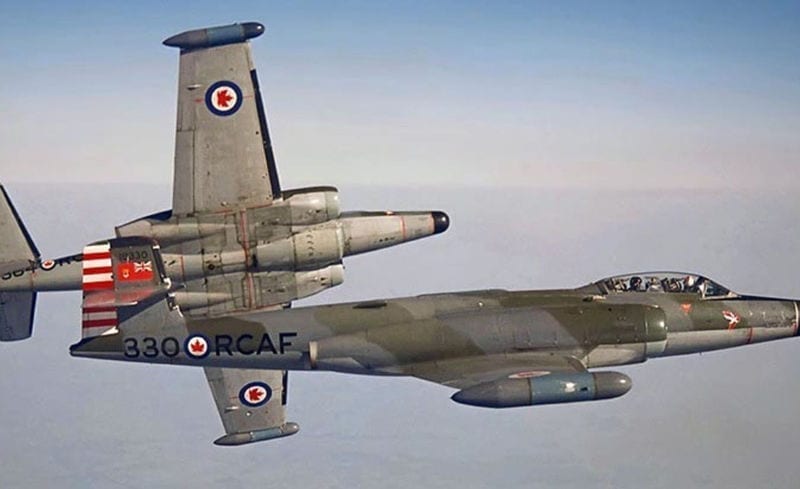
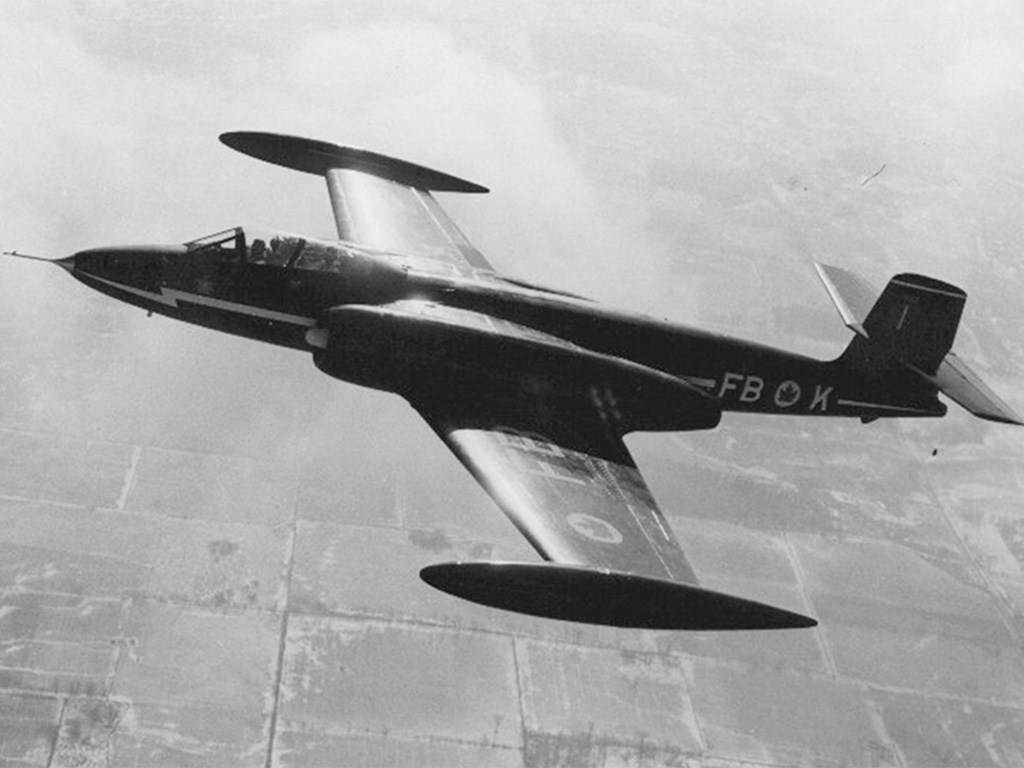
And they delivered. In 1953, the Avro CF-100 Canuck was born. It was christened the Clunk and it remained on active service in the Canadian military until the 1980s.
In 1952, as they were developing old Clunk, the Royal Canadian Air Force received new intelligence. The Russians were upping the stakes once more.
They were developing another aircraft. It was rumored to be a high-tech, high-speed, high-destruction animal that could wipe out the Canadian nation. But it would take the Soviets seven years to perfect it. Canada had time. She put it to good use.
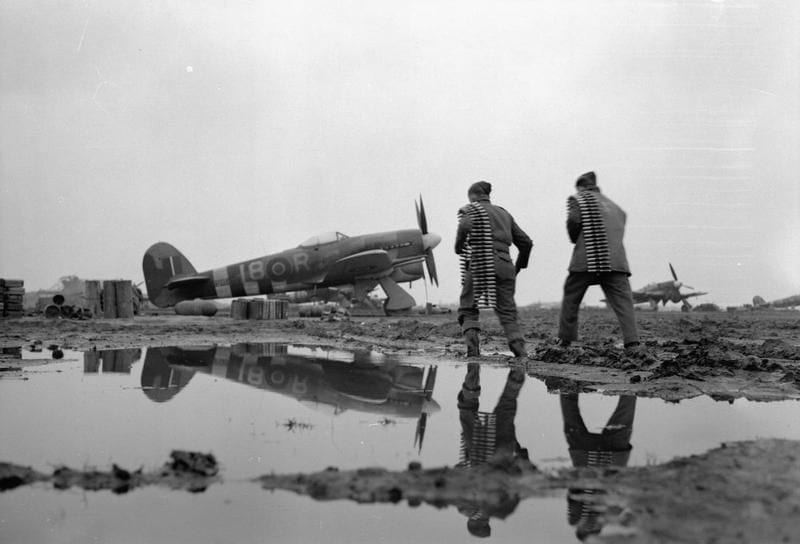
In 1953 the Clunk set out on her launch flight. Whilst people of note were saluting her, shadowy heads were already down, studying blueprints for her successor.
The RCAF had already formulated a report in 1952, detailing how they could improve the Canuck. It was called ‘RCAF’s Final Report of the All-Weather Interceptor Requirements Team’. All-weather interceptor didn’t exactly roll off the tongue, though, so A. V. Roe Canada called it the Avro Arrow.

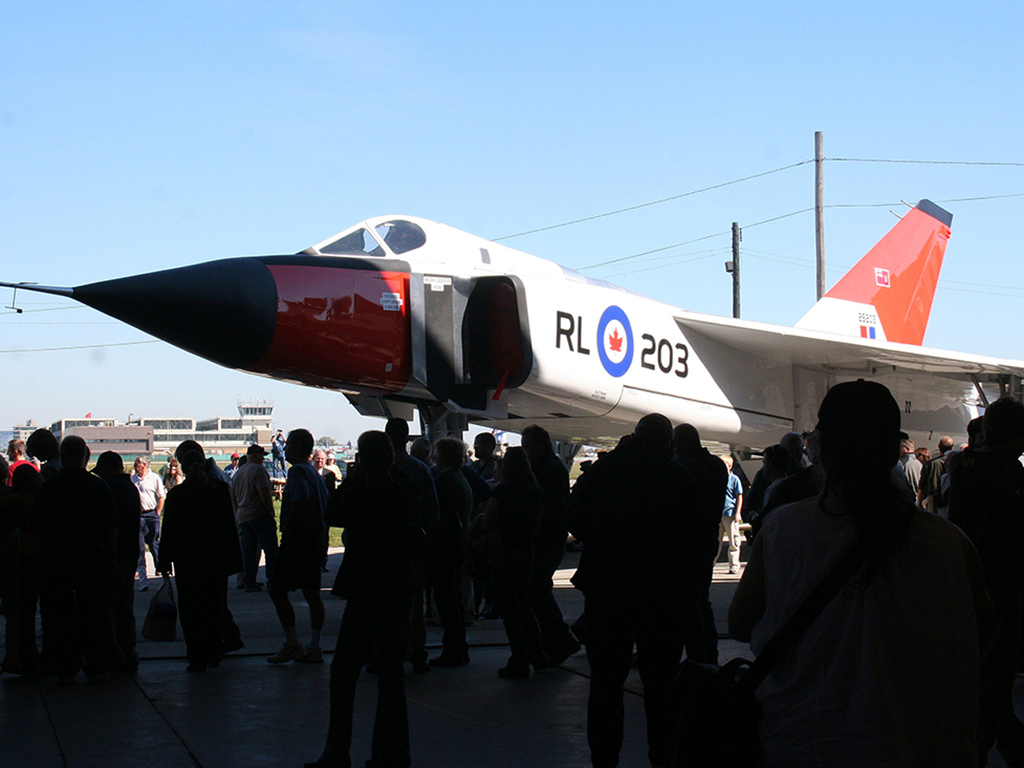
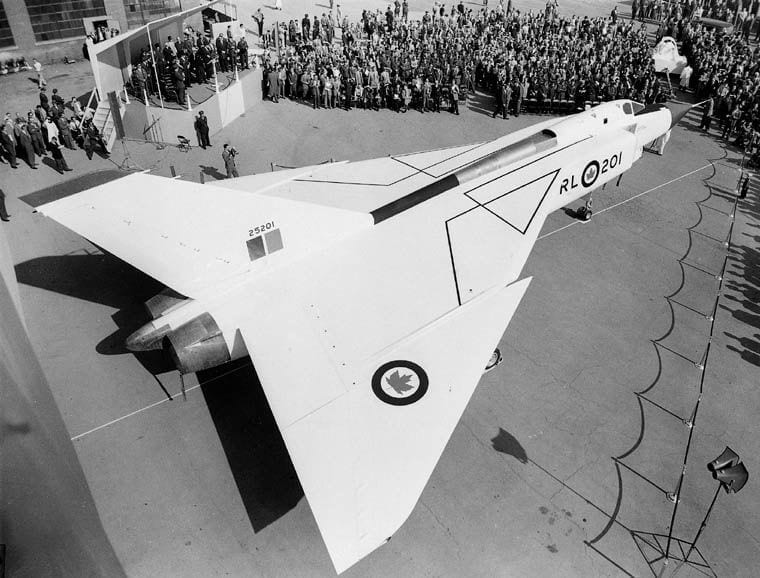
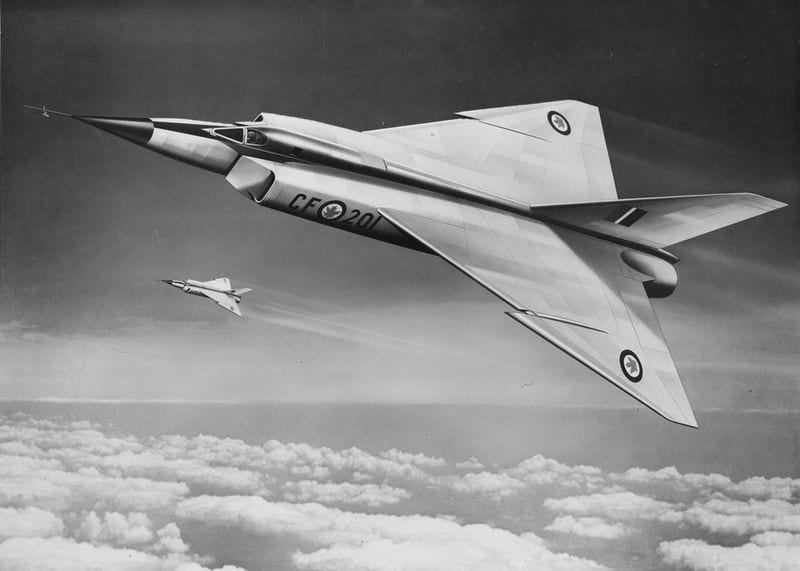
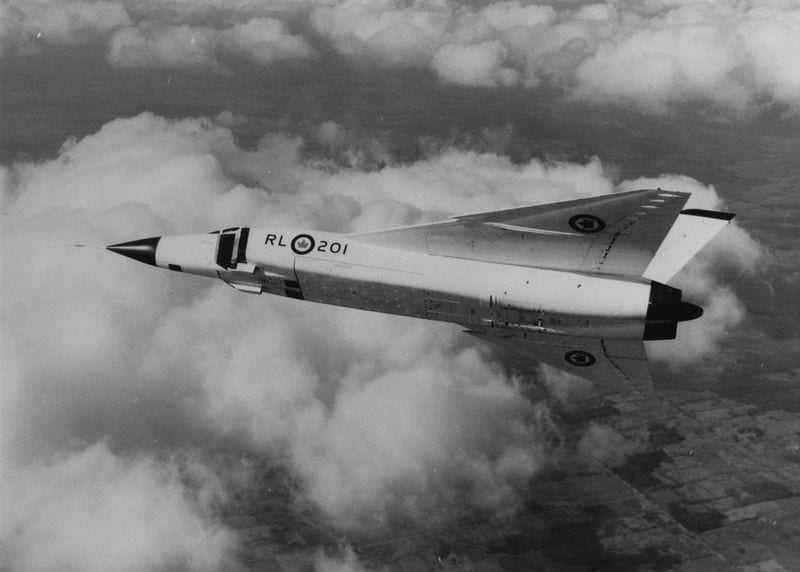
She was everything that the name invoked. The Avro Canada CF-105 Arrow was a supersonic interceptor. With its delta wings, it looked like a spearhead, and it flew as one, true and deadly.
The main specification improvements were in strength and speed. This baby could reach heights above 50,000 feet (ca. 15 km). She could fly at Mach 2 speeds. Mach 2 sounds pretty impressive, and when you think that it’s equal to 1500mph (ca. 2,414 km/h) you can see why!
Now back in the day, there were no computer simulation models to test theories with. No, engineers in those days had to make model prototypes. Before testing with these prototypes, it was impossible to know whether the theories would hold together in the air.
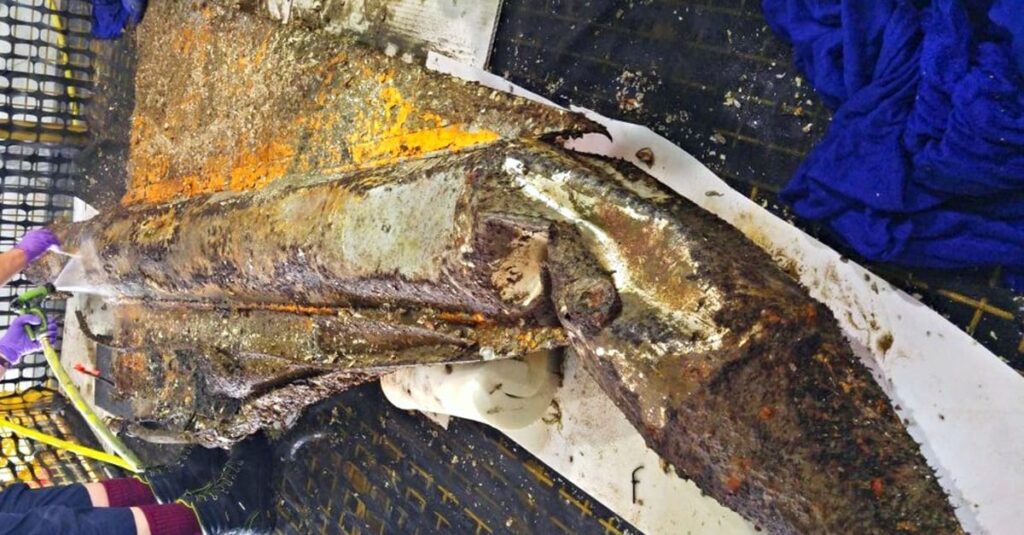
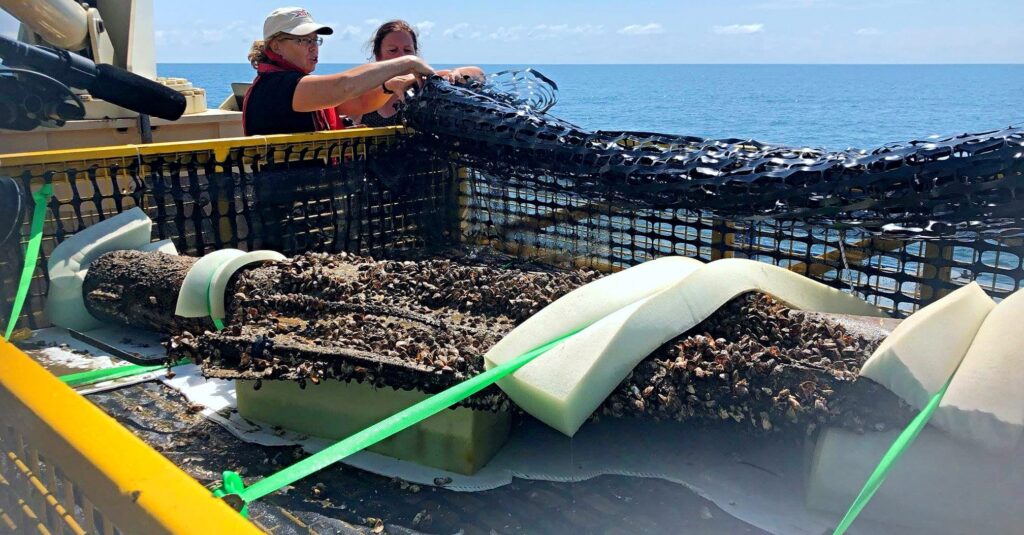
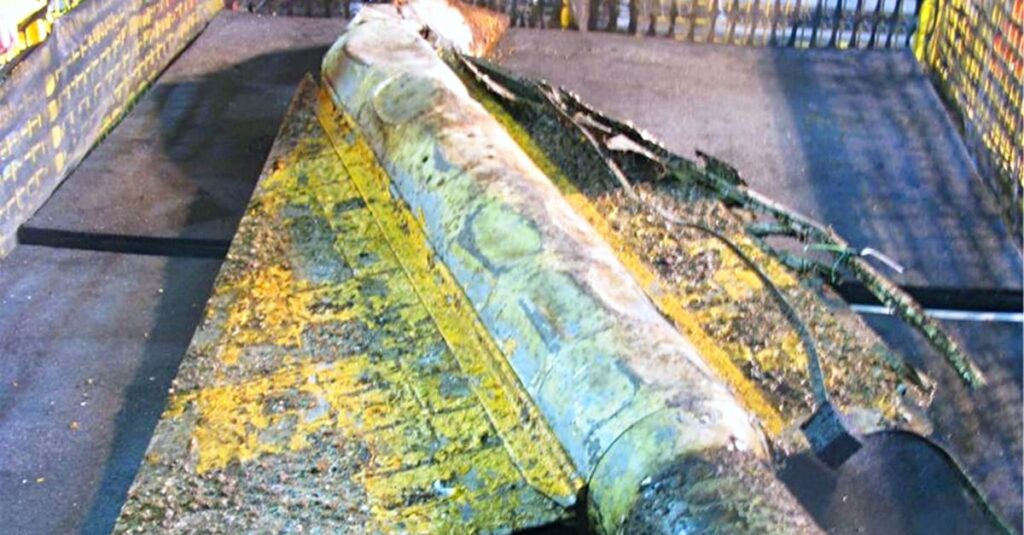
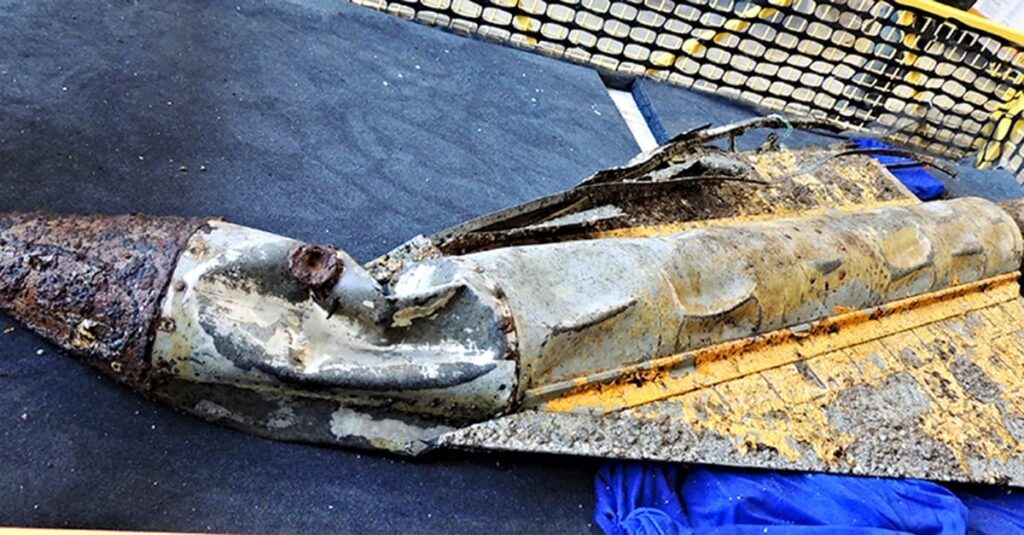
Between 1953 and 1957, nine prototypes of the Avro Arrow were constructed. They were perfect imitations of the hoped-for real thing, except that they were made to a smaller scale.
The Arrow was named for its distinctive delta wing design. Today, of course, we have seen delta wings on many aircraft, large and small. But back then, it was an innovative new concept. And it did a special job.
The barrier that aircraft engineers had long struggled to overcome was that of sound. The secret turned out to be in the wing shape. Delta wings create wave drag, which creates an awful lot of complicated vortexes and forces that enable the plane to fly faster than the speed of sound.
The nine Avro Arrow prototypes were each around 10 feet (ca. 3 m) long. Their wingspan was around 6.5 feet (ca. 2 m). They weren’t quite carbon copies of their big sister, though. These mini-arrows ran on solid fuel.
They were mounted on rocket boosters in order to reach the speed needed to test the wings for drag and stability issues. Then they were launched, from Point Petre, Lake Ontario.

These cute little aircraft turned out to really pack a punch. They reached Mach 1.7 before the glassy waters of lake claimed their prize. The engineers had the information that they needed to move the design to the next stage.
Surprisingly little needed to be tweaked, based on the prototypes’ flight data. The wings were drooped and given a camber. A dog-tooth was introduced. The newly-published area rule principle was applied, leading to changes such as a sharper nose and the addition of a tail cone.
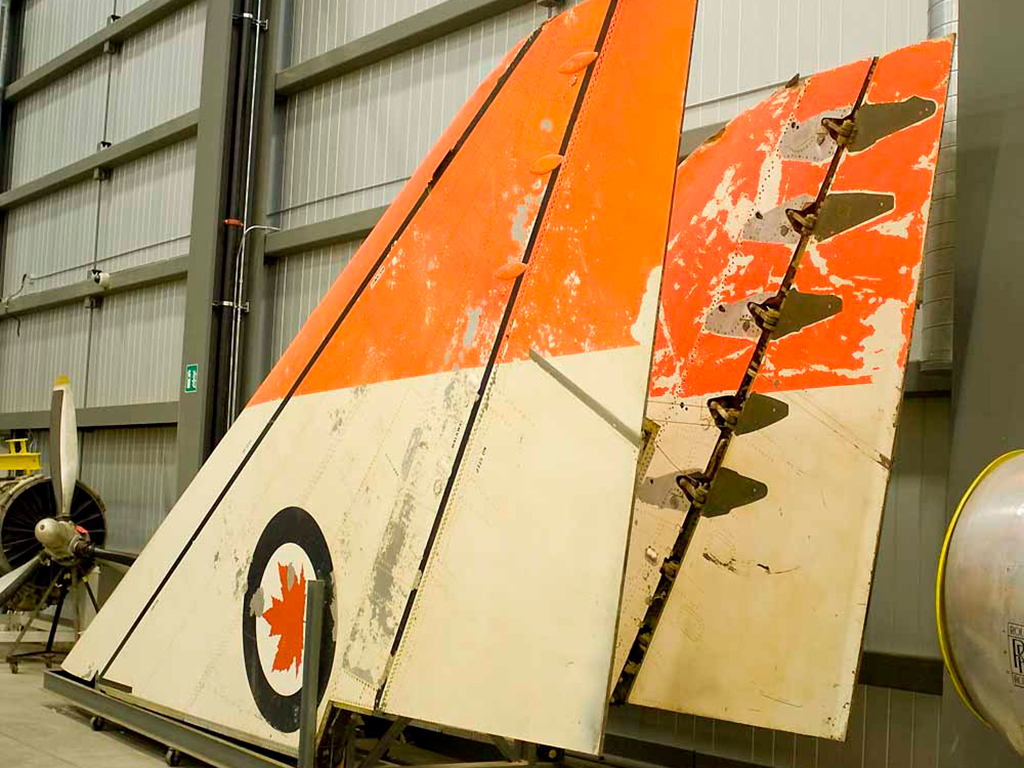
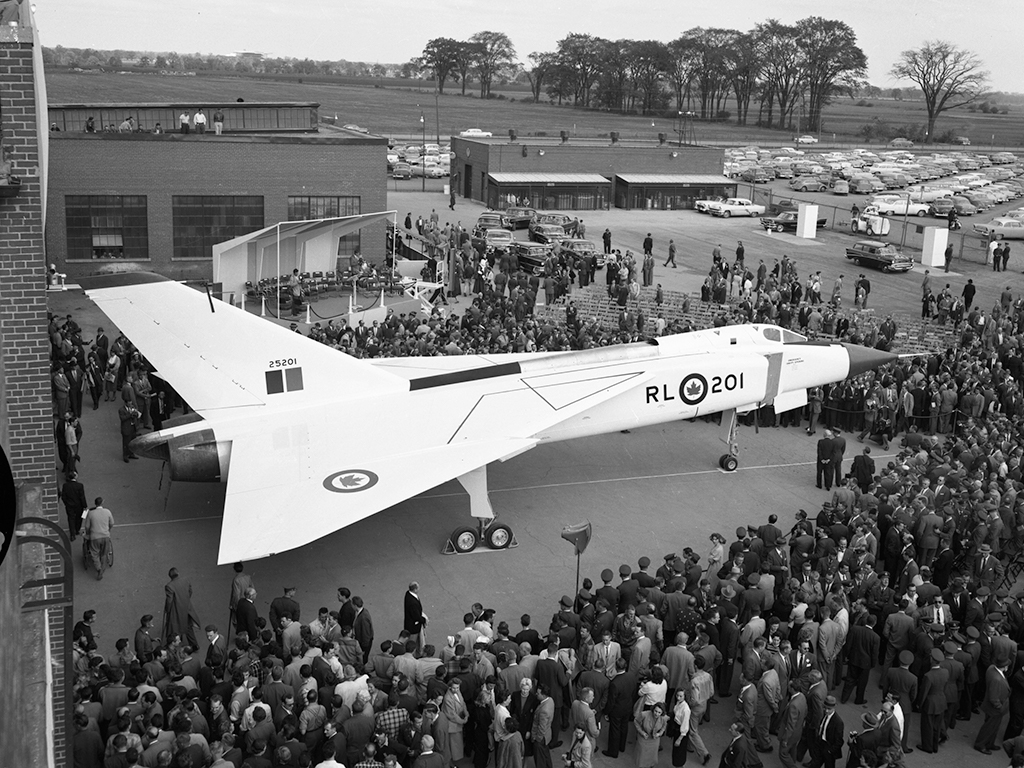
The Avro Canada CF-105 Arrow was rolled out in October 1957. The plane bore the mark RL-201. It was to be a grand occasion, marking a turnaround in Canadian defenses. 13,000 guests were invited to the prestigious occasion.
But the Soviet Union, not to be outdone, defeated the Arrow before it even got off the ground. They launched Sputnik, the world’s first artificial Earth satellite. This was far more exciting than a mere plane!
The Arrow was a well-designed aircraft, innovative and daring. It pushed the boundaries of flight as we then knew it. But, it was in the wrong place at the wrong time. With one move, the USSR had changed the Western world’s priorities.
Political change heralded the demise of the Arrow. The government changed hands and new treaties were signed with the US. Most importantly, the arrival of Sputnik on the scene meant that there was now a threat from even higher up.
The country could not afford defensive systems against both manned bombers and possible ballistic attacks from space. Canada would have to make a choice.
The Arrows went down fighting, with various government and military officials reluctant to cancel the scheme. But in the end, ballistic missiles were deemed to be the greater threat. Canada installed the Bomarc system and the Arrow program was canceled in 1959.
The cancellation of the program resulted in nearly 50,000 people put out of work. All the planes, their parts, equipment, and data were destroyed.
The Canadian Mounted Police suspected a Soviet mole in A. V. Coe Canada and wanted all evidence disposed of. But they had forgotten about the nine prototypes buried in the bed of Lake Ontario.
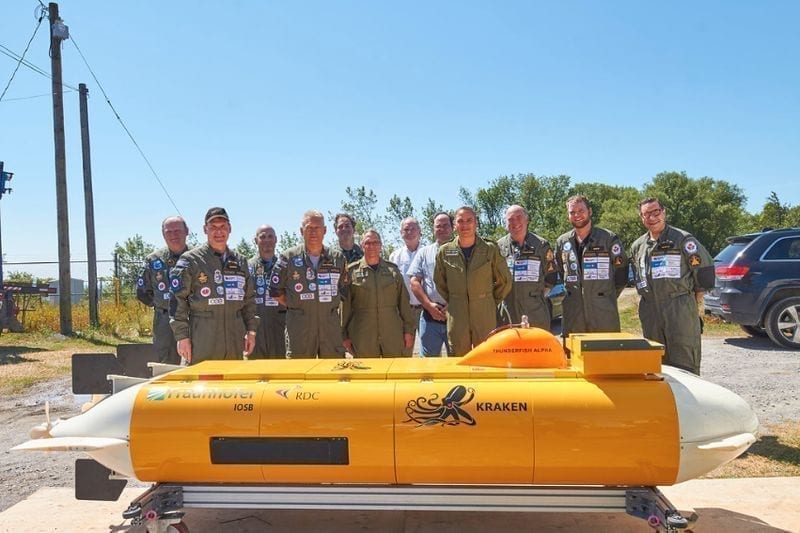
“The government destroyed all the drawings, models and burned everything so it wasn’t replicated,” David Shea, senior engineer, told the National Post. “These models, at the bottom of Lake Ontario, are the only intact pieces of that whole program.”
David works for Kraken Sonar, one of the companies that provide equipment for the project known as Raise The Arrow, organized by OEX Recovery Group Incorporated.

It was Kraken Sonar who gave the team their ThunderFish. It was this submarine drone that took the first fateful pictures of the prototypes.
“Back in the 1950s, there was no computer modeling to see how they’d fly, so the designers had to use a physical model,” Karl Kenny, also from Kraken Sonar, added. “Then, it went back to the engineers for fine-tuning. The ninth model is the Holy Grail. They had it perfected.”
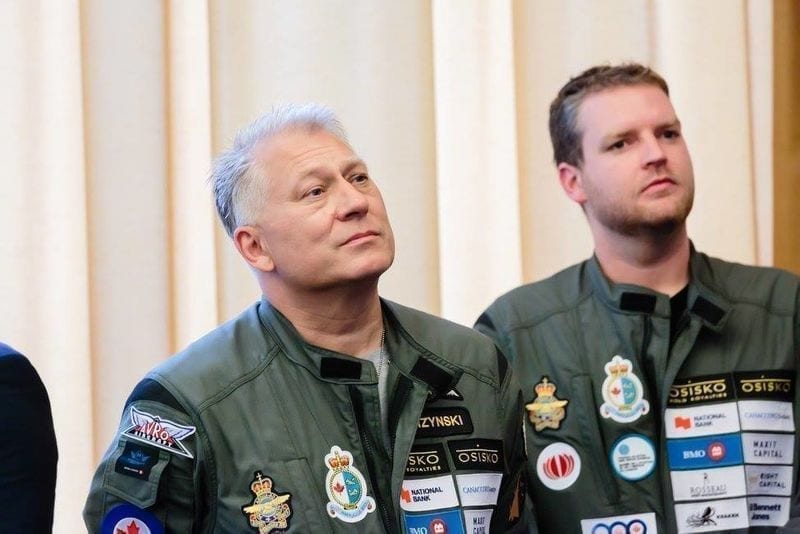
John Burzynski is the president, CEO, and director of Osisko Mining, another company involved with the Raise The Arrow project. He is excited about the prospect of bringing these unique aircraft back to the surface.
“As professional explorers in the mining business, we initiated this program about a year ago with the idea of bringing back a piece of lost Canadian history to the Canadian public,” he confirmed in the same interview.
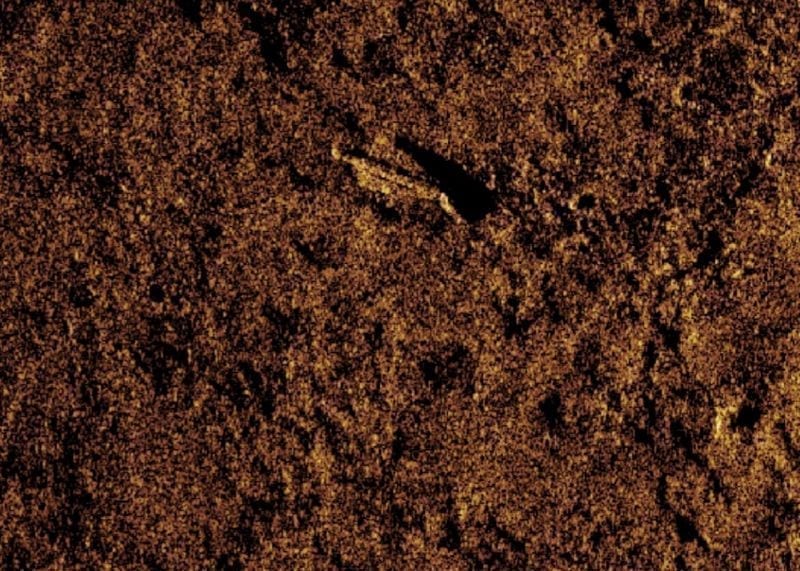
“People ask, ‘Well, do you think you are going to find them?’” David Shea, Kraken’s vice-president of engineering, told The Globe and Mail. “The problem isn’t the technology. The problem is making sure you are looking in the right place.”
The area off of the shores of Point Petre seemed like a sensible place to start. After all, that’s where the prototypes were launched all those years ago.

Jack Hurst is one of the few remaining witnesses prepared to help find the elusive aircraft. He was there, over six decades ago, when they were launched. He saw the object that was there and then gone.
“I would guess that [the models] went a few thousand feet in the air and I don’t think they would be much more than a mile out,” he declared. It was his direction that decided where the Raise The Arrow team would start looking.
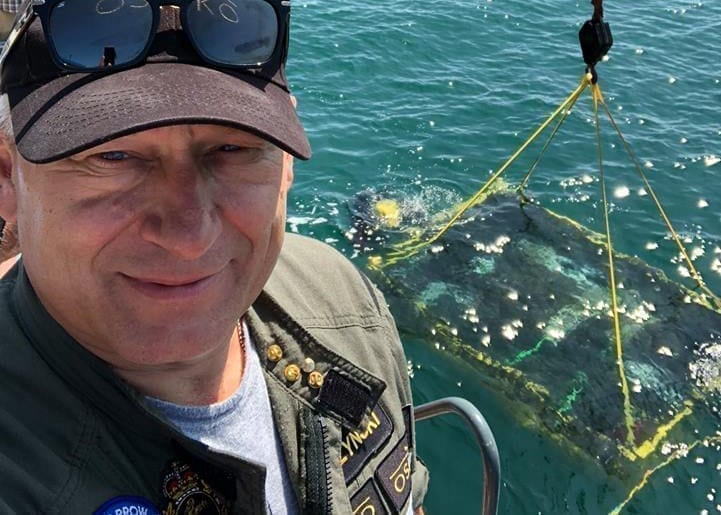
According to Burzynski, the team was confident that they would find something very early in their search. “We’re starting with the high-probability areas,” he told CBC TV.
They had done their research well. “You won’t have to wait weeks and months. This will be within days,” he insisted. The media was stunned at how fast they found what they were looking for.
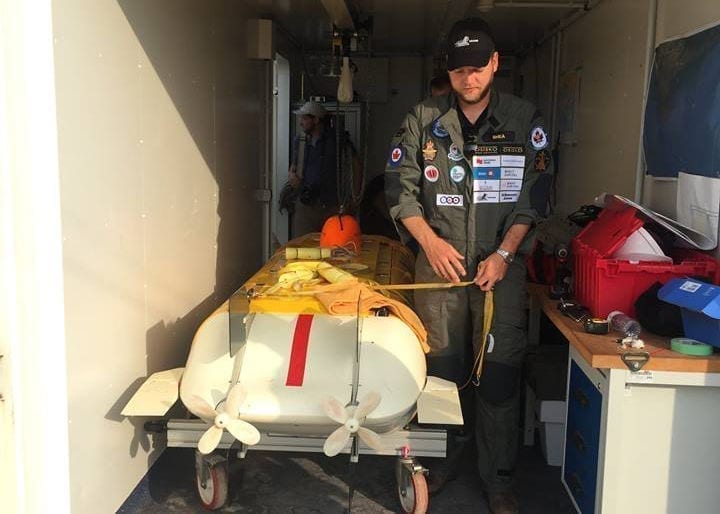
Twelve short days later, Burzynski was back. “Well, we found one,” he exclaimed. It was late July when the team got their proof that the aircraft were indeed under the lake.
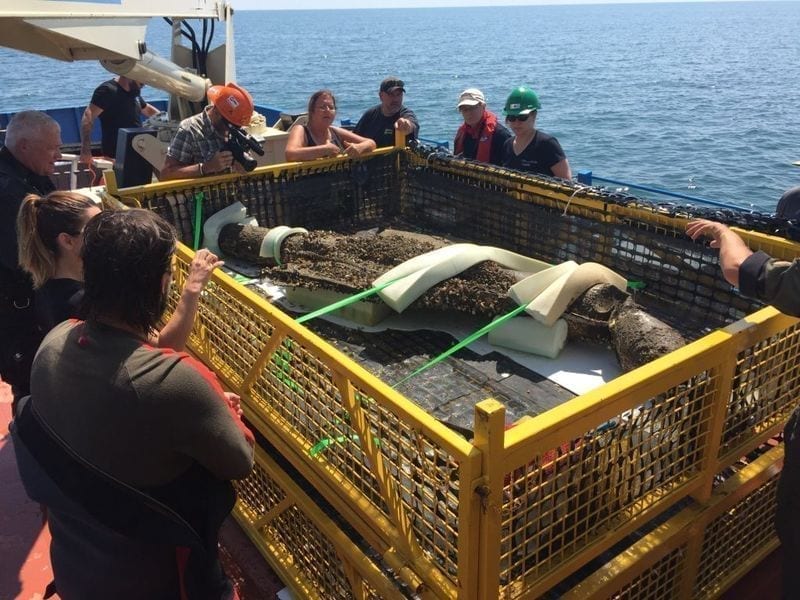
But the prototypes were destined to spend a few more months in their quiet resting place before they could be raised. The world could not get their first glimpse of the amazing artifacts until 2018.
History was nonetheless coming to life in front of us. The prospect of raising the Arrows was super exciting. David Shea was as enthusiastic about the discovery as his colleague, Burzynski.
“I think being able to showcase using cutting-edge Canadian technology — being our sonar systems and underwater vehicles — to actually find and resurrect cutting edge Canadian technology… I think it’s an amazing example of what we can do as Canadians looking back at our history.”
The delay in bringing the prototypes back to light was a big one. The team hadn’t found all nine of the aircraft. Of course, they were determined to get the whole set.
The prototype that was missing was the ninth to be made. It was the most advanced, the most like the eventual aircraft proper would be. It had to be there. The team just needed more time.
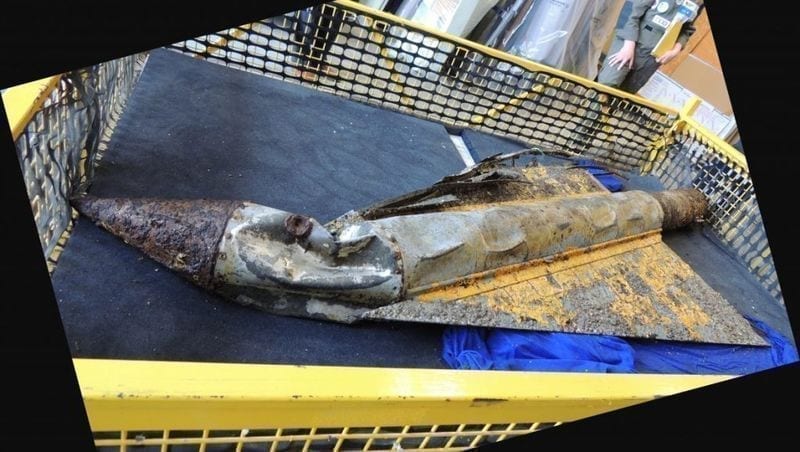
It hadn’t taken long to find the first eight prototypes. This was huge news. The aircraft are a part of Canadian history. Only 6 of the finished craft were made, and all destroyed. Being able to see the trailblazing aircraft would be amazing.
“The delta wing was a relatively new concept at that point, so it required a lot of testing to determine whether it would perform well, particularly at supersonic speeds,” said Erin Gregory from the Canada Aviation & Space Museum.
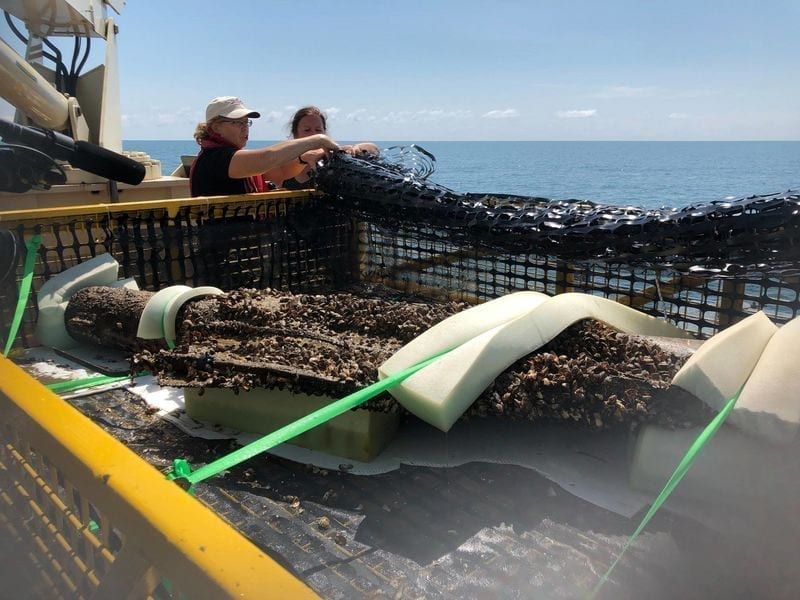
After a year of excitement, disbelief, struggle, and plain hard work, the team celebrated at last.
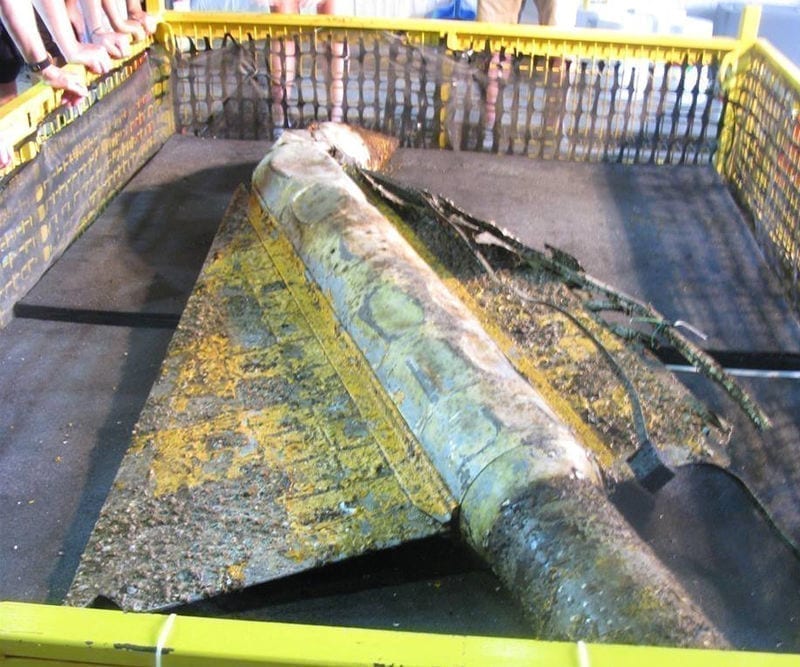
“We are pleased to announce that the first historic relic of the Avro Arrow free-flight program has been recovered,” their Facebook page proclaimed. “It was delivered back to land at CFB Trenton on August 13, 2018, after resting on the bed of Lake Ontario for over 64 years.”
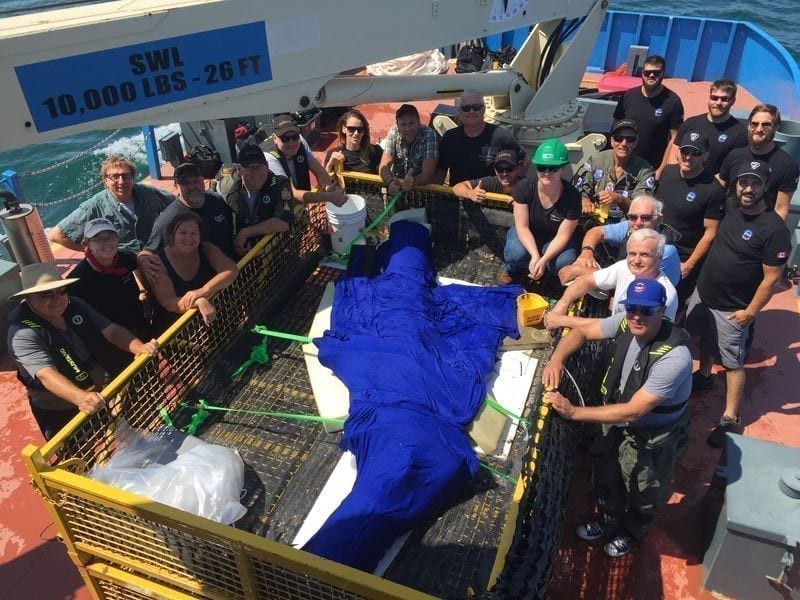
Osisko Mining, Kraken Sonar, OEX Recovery Group Incorporated, and the Canadian public are still hoping to find the last prototype. Burzynski, Shea, Kenny and co are sure that they can do it.
The ninth plane is still eluding capture, but the team is dogged in their determination to bring it to light. The Raise The Arrow project is due to continue until it can be found.
Lakes and bodies of water can often hold interesting things that people can easily miss. Just as Lake Ontario is hiding old secrets, another lake called Kurtna Matasjarv had something hiding in its waters that had to stay a secret for decades.
That was until Kaspar’s curiosity got the best of him. He’d stumble upon the “lady of the lake” and get recognition for it.
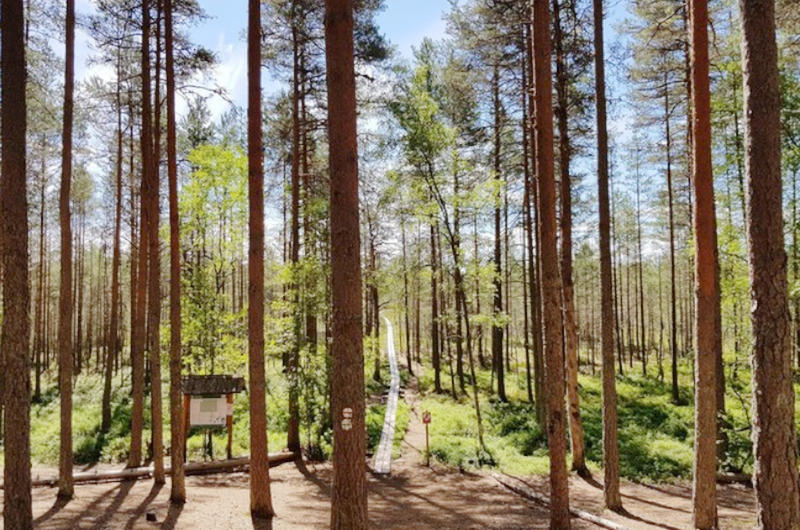
Kaspar looked at the left path, then the right. One was well-worn and popular with hikers.
The other could barely be called a path at all – and that was the one he wanted. It was time to explore. The lush green pines pierced the sky. Soon, Lake Kurtna Matasjarv appeared.
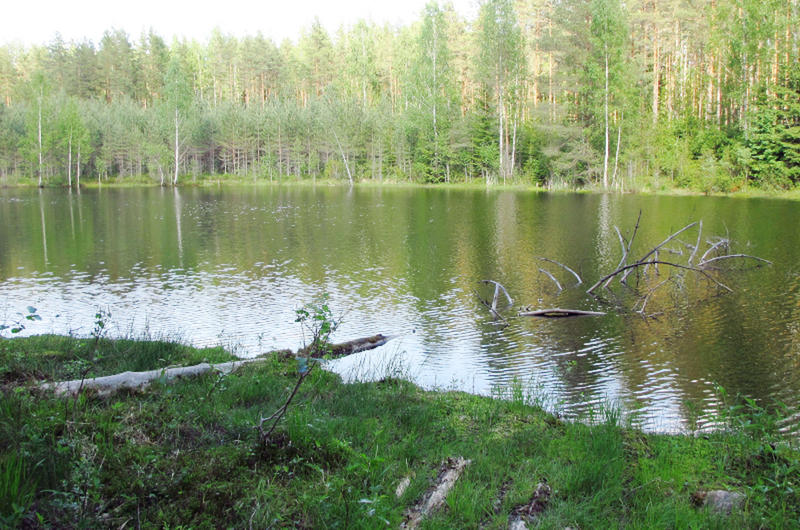
As he wandered the squishy perimeter, he noticed strange markings in the patchy earth. They might have been covered with years of growth, but it clearly wasn’t like any shape he had seen before during his many wanderings
He nudged it with his boot. Then, something else caught his eye.
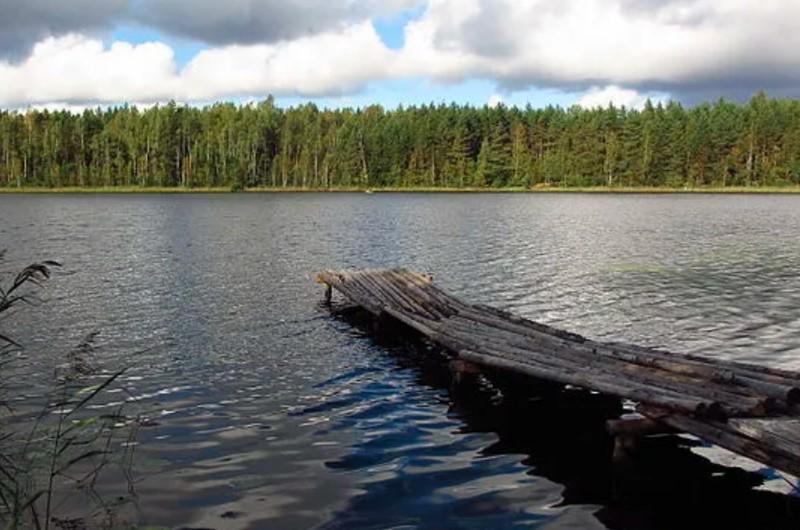
A rope? What, there a sunken boat? He scraped away the mud and tried to pull it – it wouldn’t budge. It was already an odd situation, but now he had to tell someone.
He ran home and dragged his confused parents out. It wasn’t long until others in the village got word, and a large crowd gathered. They all tried pulling.
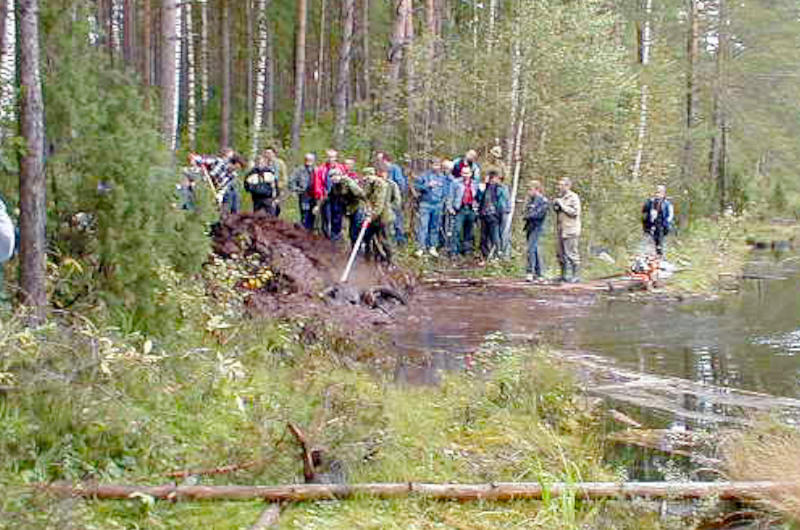
Nothing. There were over a dozen strong men and women, but whatever was at the other end wasn’t going to come up without a fight.
Soon, the deep rumbling of a huge bulldozer echoed around the forest, but even the extra horsepower wasn’t enough. Whatever it was, it had to be massive.
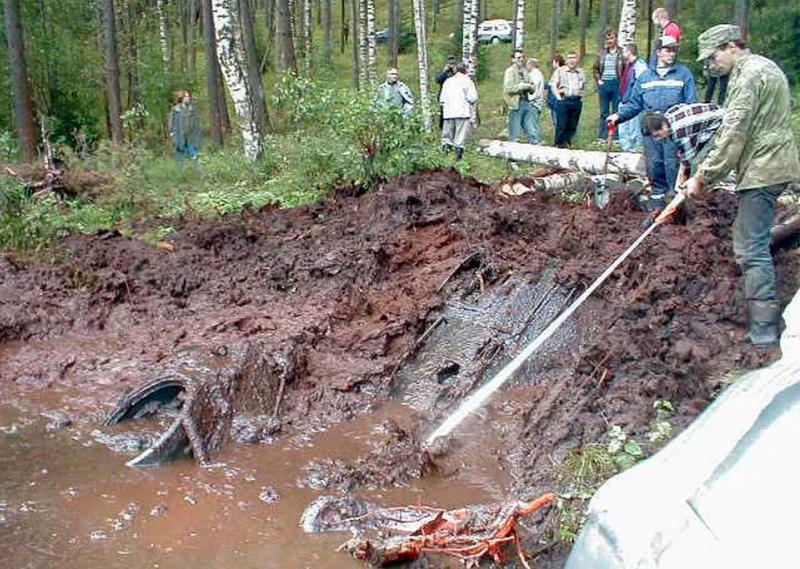
Everyone rushed home to grab their own ropes and bring their own vehicles in. It was 8 hours of steel cables, shovels, machine power, and manpower – even little Kaspar lent an enthusiastic hand.
Like everyone else, he was desperate to see what his discovery really was and committed to however many hours it required.
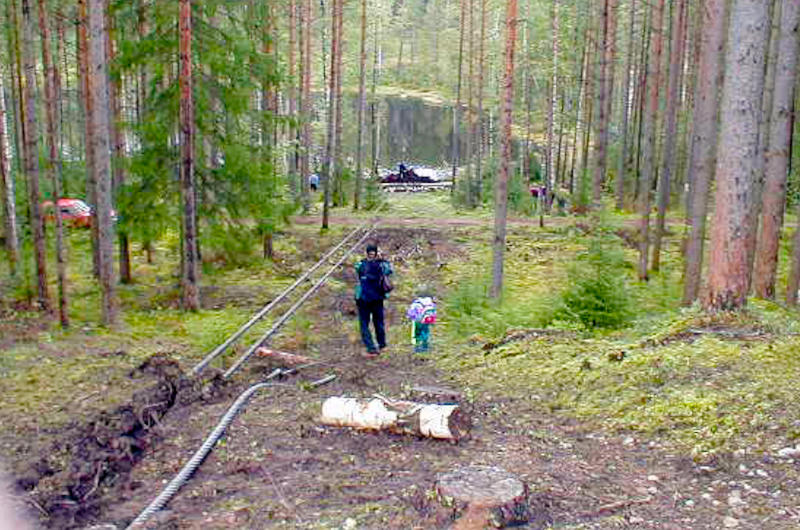
The sun had started to dip below the treeline, and finally, a piece of metal appeared … then a white symbol, then a … turret?
Everyone gasped as an enormous tank squelched and fought against the heavy mud and streamed torrents of water over the villagers. “Why is that here?!”
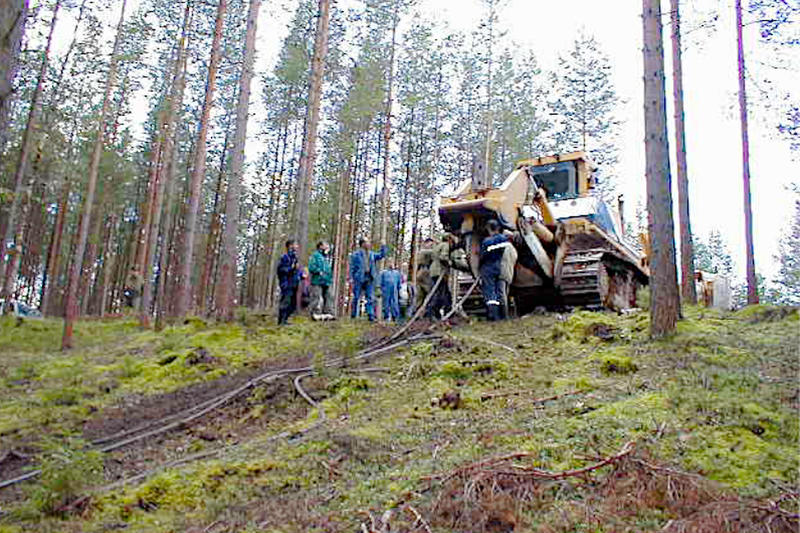
That was the question on everyone’s mind. Why was a WWII war machine doing it in the middle of nowhere? Kaspar sprinted up to look inside.
This was a once-in-a-lifetime event, and he would not miss it. Through the lowering water, he saw something shiny. “Mom? Are those big bullets?”
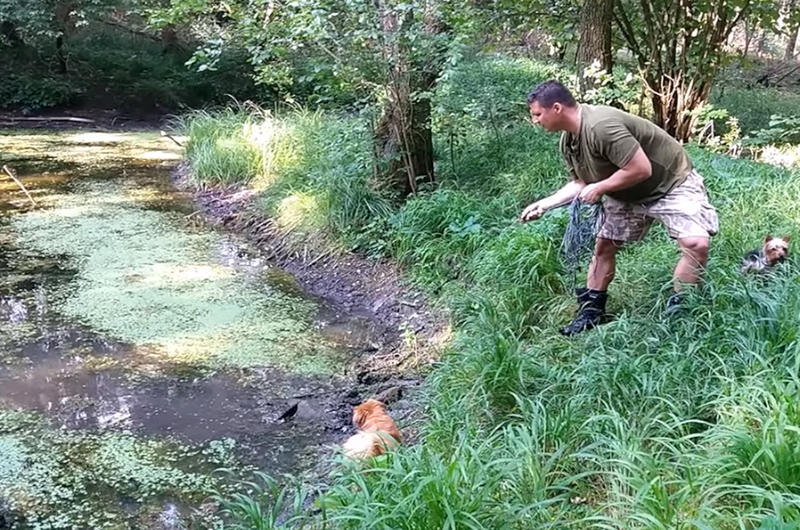
He felt arms pull him off and drag him away. “Get away from that!” his mom said. There was ammunition rolling around in the cabin.
The tank was in amazing condition … so there was a chance the shells could still be dangerous. It wasn’t long until they heard the beep of sirens.
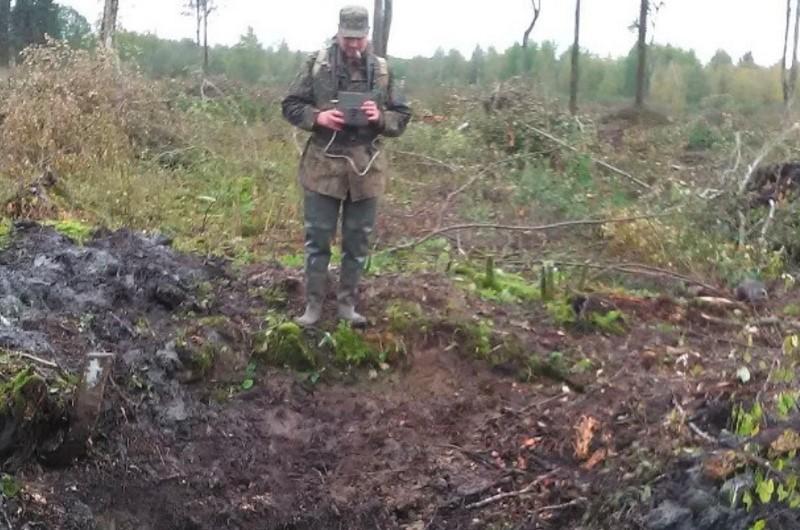
A camouflaged truck and men in combat gear rushed out of the armored vehicles and towards the mud-caked tank. Someone must have called the authorities as soon as they saw what was inside.
Everyone stood still and dead quiet, wondering if they were in trouble. One officer came up to Kaspar.
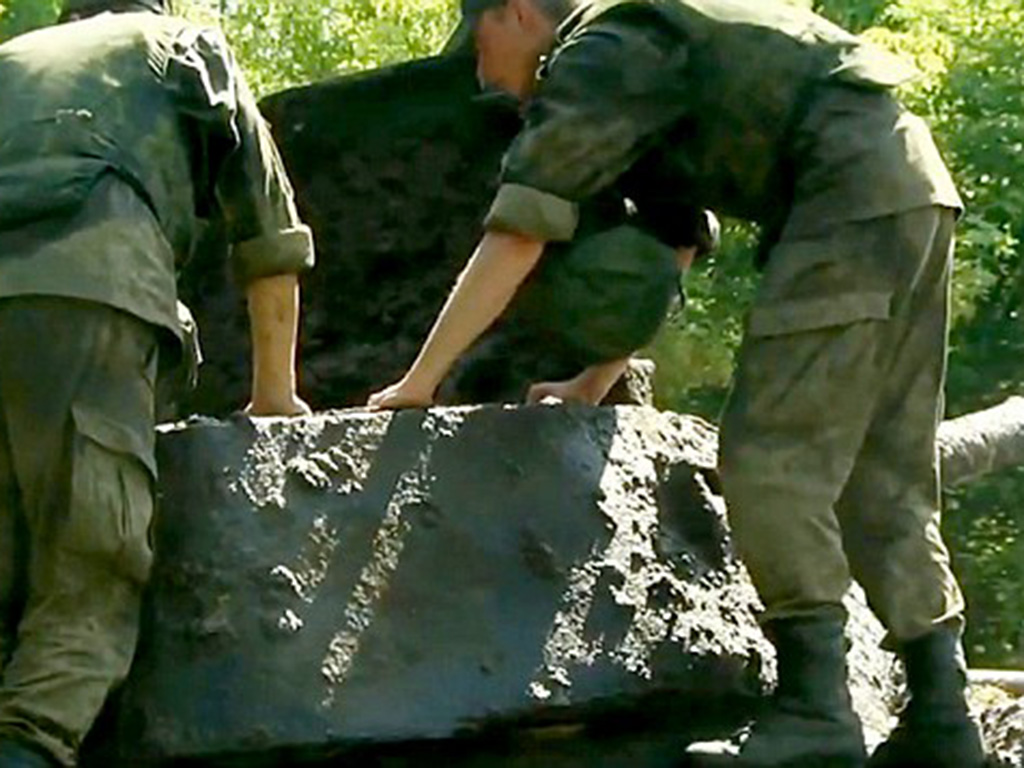
“You found it?” the large man asked. The boy gave a small, scared nod. The man smiled. “I’m impressed. Well done.”
The soldier looked around at the villagers and said, “We need you to step back while we make sure it’s safe. Between the army and internet research, answers finally emerged.
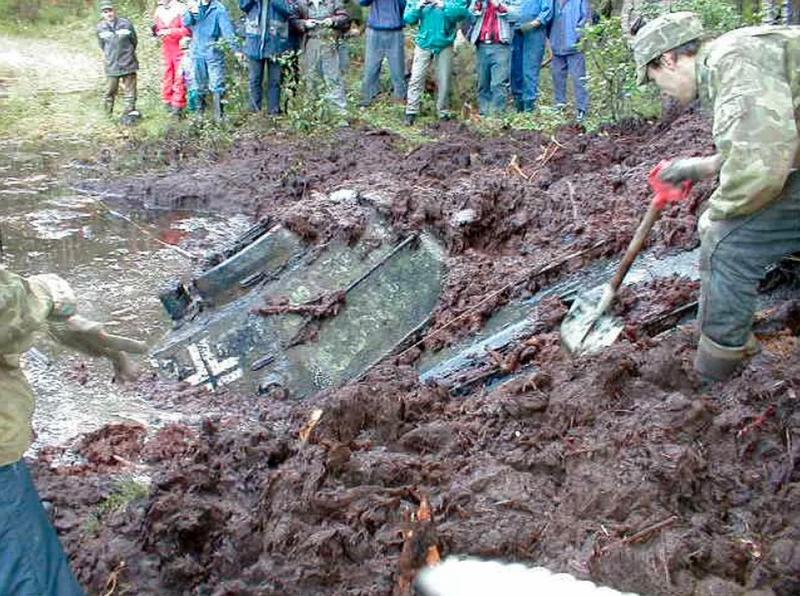
It took two weeks and every available hand to bring the tank completely out of the lake. It was a Soviet-built T34/76A – a 7-metric-ton vehicle that was the prime element in the Soviet army in their battle against the Germans.
Aside from being underwater for 56 years, they found out another amazing bit of history.
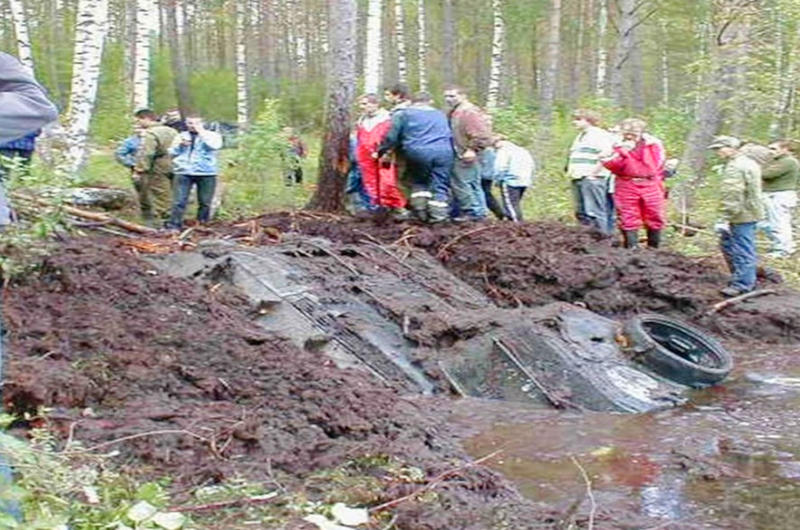
This particular tank was thought to have been captured by the enemy and repainted with its own symbols.
Even though it was a capable machine that could navigate all kinds of environments, the main theory is that the Germans dumped it so it couldn’t be retaken. The next astounding step took place in the Gorodenko museum.
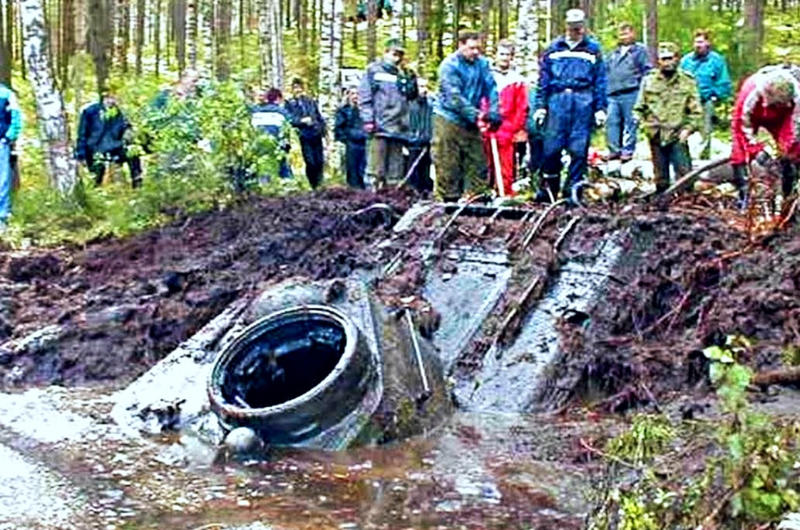
During restoration, curators found they were able to start the old diesel engine without needing any spare parts at all. They also recovered 116 pieces of ammunition.
Experts were able to explain why it was located in that area. You see, in 1944, the eastern Estonia Narva front was the location of some intense battles.
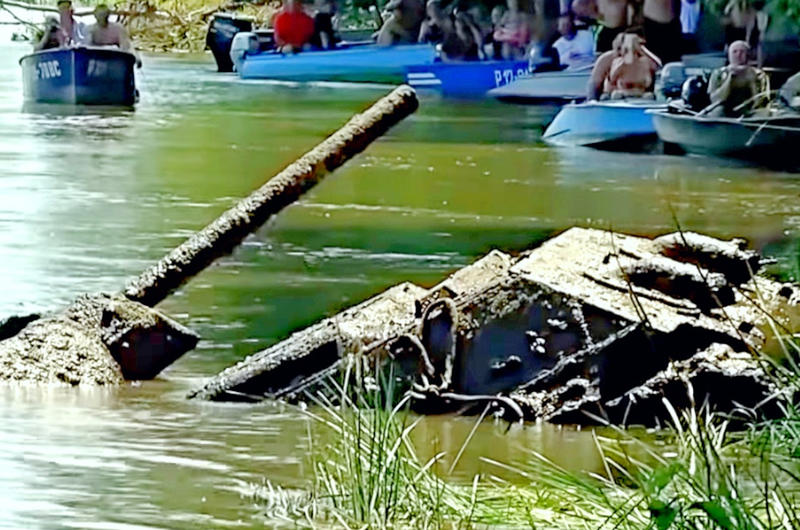
Around 100,000 soldiers perished, and more than 300,000 were wounded. As the fighting migrated and endless tanks poured into the area.
The German army wasn’t willing to submit anything and destroyed what they couldn’t use. The Old T-34 is now on display for everyone to see.
In order to protect the privacy of those depicted, some names, locations, and identifying characteristics have been changed and are products of the author’s imagination. Any resemblances to actual events or places or persons, living or dead, are entirely coincidental.


0 commentaires: