Ryan had never considered himself a superstitious man. He was practical, methodical, and believed in logic above all else. So when he stum...

Man Breaks Open His Ceiling And Hears "We Are Finally Free" Man Breaks Open His Ceiling And Hears "We Are Finally Free"


Ryan had never considered himself a superstitious man. He was practical, methodical, and believed in logic above all else. So when he stumbled upon a once-in-a-lifetime real estate deal, he didn't hesitate.

The house was massive, with a sprawling garden, a spacious terrace, and a charming, rustic appeal. It was tucked away in a quiet suburban area, close to a beautiful lake and a dense forest. The kind of place where someone could settle down, grow old, and enjoy the serenity of life.

But the unbelievably low price should have been his first clue that something was off.

It had been abandoned for years. The real estate agent was vague about its past, brushing off questions with phrases like, "The previous owners moved away suddenly" and "It just needs a little work."

Ryan wasn't deterred. He loved DIY projects, and this house presented the perfect challenge. He imagined restoring its former beauty, making every inch of it exactly how he wanted.

So, he bought it.

And from the moment he stepped inside, he knew he had his work cut out for him.

The walls were cracked. The floors creaked with every step. Dust coated every surface, and the air inside carried a strange, musty scent.

None of that mattered to Ryan. He rolled up his sleeves, determined to bring the house back to life.

What he didn’t know was that the house had a life of its own.


It started innocently enough.

One evening, after a long day of renovations, Ryan sat outside in his garden, enjoying the warm glow of the setting sun. The air was crisp, the birds chirped softly, and for a moment, everything felt perfect.

Then he heard it.

A soft, rhythmic sound—a faint stomping noise from inside the house.

He dismissed it at first. Probably just the house settling, he told himself. Old houses always made strange noises.

But when he stepped back inside, the sound was gone.

He shrugged it off and continued working.


The next day, it happened again.

This time, Ryan was painting the walls of a small bedroom on the first floor. As he moved his paint roller up and down, he heard the sound again—a distinct stomping, coming from above.

He froze, holding his breath.

Was someone inside the house?

His heart pounded in his chest. He listened carefully, but the noise stopped just as suddenly as it had started.

“I’m just imagining things,” he muttered, shaking his head.

But deep down, he wasn’t so sure.


As the days passed, the noises became more frequent.

Ryan tried everything to figure out where they were coming from. He checked the attic, the basement, and even the old ventilation system.

Nothing.

There were no signs of rodents, no stray animals, no structural issues that could explain the sounds.

Yet, they persisted.

Late at night, he would hear soft whispers, almost like someone was crying.

And then, the whispers turned into something worse.

A voice.

A low, muffled voice from somewhere above him.

At first, he thought he was hallucinating. The stress of renovating the house was finally getting to him.

But then—the voice spoke again.


One evening, as Ryan was making himself a cup of coffee, a loud thud echoed from upstairs.

He dropped the mug, shattering it on the kitchen floor.

This was real.

He wasn't imagining it. Something was inside the house.

Gathering his courage, he ran upstairs, determined to put an end to this nightmare.

The moment he stepped into the hallway, the noise came back—louder than ever.

And this time, it was coming from the ceiling.


His pulse raced as he grabbed a hammer.

"Whatever this is, I’m going to find out."

He positioned himself under the source of the sound and swung the hammer into the ceiling.

The first hit cracked the plaster.

The second hit sent a chunk of concrete crashing down.

He widened the hole, his heart pounding.

And then, he saw something move inside.

Something—or someone—was up there.


Ryan peered inside the dark opening, his breath caught in his throat.

At first, he saw nothing but shadows.

Then, from the darkness, a voice emerged.

"We are finally free."

Ryan stumbled backward, his hammer slipping from his grasp.

As the dust settled, a pair of small figures crawled out of the hole.

His eyes widened in pure disbelief.

They were children.

Dirty, disheveled, and grinning mischievously.


The kids, no older than 10 or 11, burst into laughter.

“You should have seen your face!” one of them cackled.

Ryan’s fear quickly turned into confusion—and then frustration.

The children explained that they had been using the abandoned house as their secret hideout for years.

They had discovered a small hole in the roof, allowing them to sneak in and play whenever they wanted.

When Ryan bought the house, they weren’t happy about losing their playground.

So, they decided to scare him away by making noises, whispering, and stomping around when he was inside.

It had all been a prank—one that had gone way too far.

After his initial shock and anger, Ryan couldn’t help but laugh.

The kids had succeeded in terrifying him, but in the end, no harm was done.

Instead of scolding them, Ryan made them a deal—they could still play in his yard anytime they wanted.

The kids cheered, promising never to scare him again.

“But it was so much fun,” one of them grinned.

Ryan shook his head, grinning back.

"Next time, just knock on the front door, alright?"


Ryan let out a deep sigh of relief, shaking his head as he watched the kids burst into laughter. All of this—his sleepless nights, the paranoia, the hammer to the ceiling—had been a prank.

At first, he had been terrified, certain that he had stumbled upon something sinister or supernatural. But now, standing in the middle of his half-demolished ceiling, covered in dust and debris, he realized he had been outwitted by a group of mischievous neighborhood kids.

"You guys really had me thinking I was losing my mind," Ryan admitted, rubbing his temples.

"We just wanted to scare you a little!" one of the boys grinned. "We never thought you'd actually break the ceiling!"

Ryan let out a dry chuckle, still processing what had just happened.


The children, no older than ten or eleven, began explaining how they had used the abandoned house as their secret hideout for years.

"Nobody wanted this place," one of them said. "So we made it ours."

Through a hidden hole in the roof, they had climbed inside and used the empty attic as their clubhouse. They had brought flashlights, pillows, and even a stash of snacks.

"We didn't mean to make you go crazy," one girl giggled. "We just wanted to spook you so you’d leave."

Ryan couldn't help but be impressed—their dedication to the prank was incredible.

"Well, congratulations," Ryan said, still trying to shake off the nerves. "You nearly made me sell the place."

But just as he was about to send the kids on their way, something unsettling happened.

One of the boys looked up at the dark hole in the ceiling, his grin fading slightly.

"Wait," he mumbled. "Did you hear that?"


Ryan froze.

The kids all went silent.

A low, creaking noise echoed from inside the attic.

Ryan’s stomach twisted. The kids were all right here in front of him. So who—or what—was still up there?

One of the younger boys stepped back nervously.

"That's not us," he whispered.

Ryan’s hands tightened around the hammer still in his grip.

He had thought the mystery was over. But now, standing beneath that dark, gaping hole, he felt the hair on the back of his neck rise.

"Okay," Ryan muttered. "No more games. Who else is up there?"

But the kids looked just as terrified as he felt.

Investigating the Dark Attic

Determined to end this once and for all, Ryan grabbed a flashlight and a small ladder.

The kids backed away, their faces pale, watching as he hoisted himself up through the hole and into the attic.

The air inside was thick with dust, the wooden beams old and splintered. Ryan swept his flashlight around, his pulse thundering in his ears.

At first, he saw nothing but cobwebs and forgotten debris.

Then, in the farthest corner of the attic, something moved.

Ryan’s flashlight landed on it instantly—and his breath caught in his throat.

Nestled in the attic, hidden beneath a pile of old blankets, was a small, makeshift bed.

And beside it—a bundle of old, tattered clothing.

The realization hit Ryan like a truck.

Someone had been living here.

Ryan’s mind raced with possibilities.

The kids had used the attic as a play area, but this setup was different.

The blankets were carefully arranged, the clothing looked well-worn, and beside it, he spotted something that sent a chill down his spine

A half-eaten, moldy sandwich.

Ryan’s stomach churned.

Whoever had been here hadn’t left long ago.

Ryan climbed back down, his face pale as a sheet.

"Did any of you actually sleep up there?" he asked, his voice shaky.

The kids shook their heads quickly.

"No way," one boy said. "It was just for fun—we never stayed long."

Ryan hesitated.

"Have you ever seen anyone else in there?"

The kids exchanged uneasy glances.

Then, one of them spoke.

"There was a man, once."

Ryan's stomach dropped.

"What do you mean, 'a man'?" he pressed.

The kids shifted uncomfortably.

"We don’t know who he was," the girl admitted. "We only saw him once… kind of. One time when we came in through the roof, we found old blankets in the corner. And… there was food. Like, fresh food."

Ryan’s skin crawled.

"So someone was living up there before I moved in?"

The kids nodded slowly.

"Yeah, but we never saw him. Just his stuff."

Ryan knew what he had to do.

That night, after the kids had left, he secured the attic entrance and called the police.

The next morning, an investigation confirmed his fears

There were signs that someone had been living in the house… recently.

Scraps of food, footprints in the dust-covered attic, and even faint cigarette burns on the floorboards.

But whoever had been there was long gone.

After everything, Ryan couldn’t shake the eerie feeling that he had been sharing his home with an unknown guest.

Though he tried to convince himself it was just a squatter, something about it didn’t sit right.

Had someone been watching him all along?

Had they hidden in the attic while he lived below?

Ryan decided not to take any more chances.

Within a few weeks, he had finished the renovations… and promptly put the house back on the market.

He never told the buyers about the attic.

And as he drove away from what was supposed to be his dream home, he found himself glancing in the rearview mirror, half-expecting to see a figure watching him from the upstairs window. 


  Fiona Simpson was just 23 years old when she proved to the world that a mother’s love knows no bounds. It was supposed to be a routine dri...

Baby And Grandmother Got Stuck in Horrible Hailstorm, But MOM DID SOMETHING SHOCKING Baby And Grandmother Got Stuck in Horrible Hailstorm, But MOM DID SOMETHING SHOCKING


Fiona Simpson was just 23 years old when she proved to the world that a mother’s love knows no bounds. It was supposed to be a routine drive home, one she had taken many times before. The road stretched ahead of her, long and familiar, winding through Queensland, Australia. It was a peaceful day, clouds gathering slowly in the sky, a light drizzle accompanying her journey.


She wasn’t alone. In the back seat, her four-month-old daughter slept soundly, her tiny hands curled into fists. Beside Fiona sat her 78-year-old grandmother, a woman who had seen her fair share of storms in life, both literal and figurative. The three generations of women were together, making their way home along D’Aguilar Highway.


What they didn’t know was that nature had something violent in store.


Fiona had not checked the weather forecast that morning. She hadn’t needed to—Queensland was known for its unpredictable showers, but nothing out of the ordinary. As she continued along the highway, the rain picked up, evolving from a gentle drizzle into a heavy downpour.


She turned on her windshield wipers, but soon, even the fastest setting wasn’t enough. The rain was torrential, pounding against the glass like a thousand tiny fists. The visibility dropped sharply, and Fiona struggled to keep her car steady on the slick road.


She made a split-second decision.


Realizing that driving any further was too dangerous, Fiona carefully guided the car to the side of the road, flicking on her hazard lights.


“Better to wait it out,” she thought, checking on her baby through the rearview mirror. Her grandmother, calm as always, agreed with the decision.


But then, the storm turned violent.


The first loud crack made Fiona jump. It sounded like gunfire, a rapid series of sharp impacts against the car’s roof.


Then, shattering glass.


She twisted around in panic—her baby’s window had been blown apart. A second later, something slammed into her daughter, something hard and fast.


Fiona’s blood ran cold.


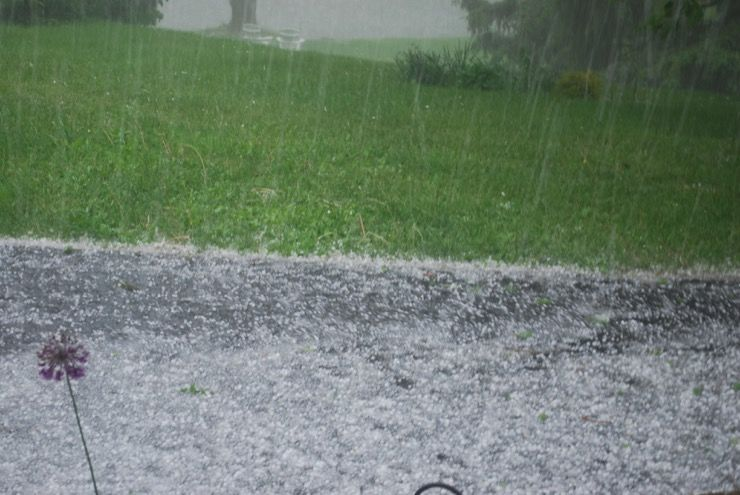
What had started as rain had transformed into something far worse—a supercell storm, unleashing hailstones the size of tennis balls. These massive chunks of ice, some nearly 3 inches in diameter, were plummeting from the sky at over 60 mph.


Queensland was under attack by nature itself.


With a sickening thud, another hailstone crashed into the car, caving in a part of the roof. The baby screamed in pain, and Fiona snapped into action.


She didn’t think. She didn’t hesitate.


She threw herself into the back seat, her body acting as a human shield over her child.


The moment her body covered the infant, the hailstones began to strike her instead. The pain was immediate and unbearable—sharp, crushing impacts against her back, her shoulders, and her head.


Her body was absorbing the full force of the storm, but she refused to move.


The sound was deafening. The hail battered the car’s frame, cracking glass and denting metal as if it were paper.


And then—another crash.


A second window shattered, this time near her grandmother.


Fiona gritted her teeth, pain coursing through her arms and back. Her baby, though still crying, was safe beneath her.


But now, her grandmother was exposed.


With sheer determination, Fiona moved forward, keeping her baby wrapped in her arms, and did the unthinkable—she tried to shield her grandmother as well.


Hailstones pounded into her unprotected arms and legs, leaving deep bruises, tearing her skin open in places. The force of the storm was relentless, but Fiona did not stop.


She held on, enduring every impact, every strike, because her family came first.


After what felt like an eternity, the storm finally passed.


Fiona was barely conscious, her body bruised, battered, and bleeding. She forced herself to move, her arms throbbing in agony.


Her first instinct—check the baby.


Miraculously, the infant had only suffered minor bumps and scratches. The damage could have been catastrophic, even fatal, had Fiona not acted so quickly.


Her grandmother, however, wasn’t as lucky. Her left arm was covered in deep cuts, and her right arm was so badly bruised that parts of it had turned black.


Fiona’s car was completely wrecked—every window shattered, the roof caved in, and hailstones littered the inside like debris after an explosion.


She had to get help.


With sheer willpower, Fiona started the car and managed to drive to a nearby home, one of the only ones in the area.


When the homeowners saw the battered car, the screaming baby, and Fiona’s injuries, they immediately called for an ambulance.


Within minutes, paramedics arrived, assessing Fiona, her grandmother, and the baby.


“They couldn’t believe it,” Fiona later recalled. “They told me I should have been knocked out cold. They’d never seen anything like it.”


The emergency room was a blur. Fiona’s body was covered in massive bruises, her back nearly blackened from impact wounds.


Her grandmother had to stay overnight for observation, as the deep cuts on her arm needed further medical attention.


Despite it all, Fiona’s baby was safe—the most important victory of all.


Doctors and nurses were stunned by Fiona’s injuries.


“You took all of that for your child?” one nurse asked in disbelief.

Fiona nodded, exhausted but unwavering.


“I’m just a mom,” she said simply. “You do whatever it takes.”


Fiona Simpson sat on the hospital bed, exhaustion pressing down on her like a weight. Her body was sore, bruised from head to toe, each movement sending waves of pain through her limbs. The nurses gently bandaged her arms, cleaning the deep welts and bruises left by the relentless hailstorm.


Her grandmother, who had taken heavy damage to her arms, lay resting in a nearby hospital bed. The doctors were concerned about nerve damage, but thankfully, there were no broken bones.


But despite the injuries, despite the chaos, the baby was safe.


Fiona reached over and gently stroked her daughter’s cheek, whispering a silent prayer of gratitude. The few tiny bumps and scratches on the infant’s delicate skin were nothing compared to what could have happened.


“It could have been so much worse,” she murmured, tears threatening to spill over.

She had thrown herself into the path of destruction to protect her child, and she had succeeded.


Fiona’s story spread like wildfire.


What had started as a quiet act of courage quickly became national and international news. Within days, her selfless act was being shared on social media, appearing in news headlines across Australia, the UK, the US, and beyond.


People were stunned by her bravery, many calling her “the embodiment of a mother’s instinct.”


“This is the definition of a mother’s love,” one social media user wrote. “She protected her baby with her own body. That’s beyond heroic.”

Soon, Australian officials took notice, and the recognition poured in.


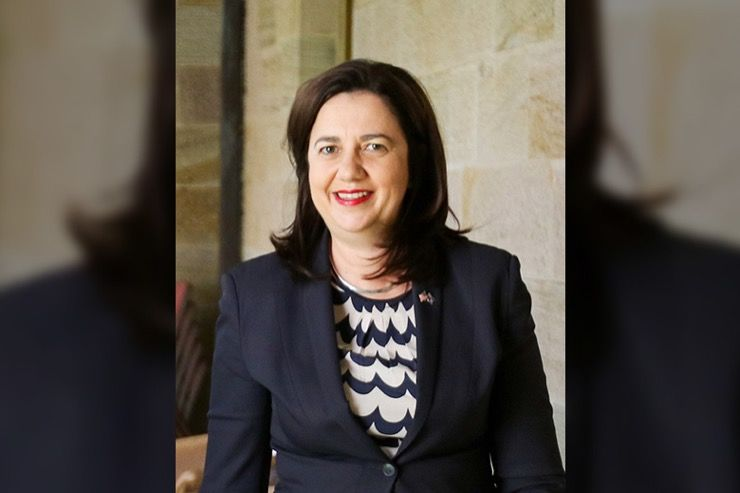
Australian Premier Annastacia Palaszczuk publicly commended Fiona for her extraordinary courage, calling her a symbol of resilience and love. She even recommended Fiona for an official commendation, an honor rarely given to civilians.


Prime Minister Scott Morrison echoed the sentiment, calling Fiona’s story one of the bravest things he had heard in years.


“This young woman is an inspiration to us all,” Morrison said. “Her quick thinking and sacrifice are what makes her a true hero.”

Fiona, overwhelmed by the attention, had never imagined her act of maternal instinct would be noticed by the country’s highest officials.


When a local newspaper reached out to her for comment, she was shocked to learn about the commendation.


“I didn’t expect it, that’s for sure,” she told ABC News. “I wouldn’t have thought anyone like that would know about little old me.”

But the recognition didn’t stop there.


As the news of Fiona’s bravery spread, messages of support flooded in from every corner of the world.


People from Australia, the US, Canada, the UK, and even Norway reached out to express their admiration and gratitude.


Some sent letters of encouragement, while others offered financial help, medical supplies, and even massage treatments to help Fiona heal from her injuries.


Insurance companies even contacted her, offering to replace her destroyed car for free.


“I’ve tried to reply to most of them,” Fiona said, “but every time I clear through my messages, 50 more pop up.”

It wasn’t just messages of admiration—people also shared their own survival stories, detailing their near-death experiences in natural disasters.


For Fiona, this was both overwhelming and heartwarming.


“I didn’t expect any of this,” she admitted. “I was just doing what any mother would do.”


In the weeks following the storm, Fiona reflected on the experience that had changed her life forever.


She admitted that she had made a crucial mistake—not checking the weather report before heading out that day.


“I’ve learned my lesson today,” she wrote in a Facebook post. “Never drive in a hailstorm.”

She urged other mothers and families to always be prepared for unpredictable weather, especially in regions prone to severe storms.


“If you ever feel something isn’t right, don’t take chances. Find shelter. Stay safe.”

While her quick thinking saved her child, Fiona knew that many others might not be so lucky in a similar situation.


Despite the pain, the bruises, and the terrifying ordeal, Fiona never doubted her decision for a second.


When asked if she would do the same thing again, her answer was immediate.


“In a heartbeat.”

For Fiona, it wasn’t about being a hero—it was simply about being a mother.


“You do whatever you can to protect your child,” she said. “No matter what, even at your own expense.”

And she wasn’t alone.


Fiona’s story joined the ranks of legendary maternal bravery.


Stories like hers have been told for centuries—mothers who have risked, and sometimes lost, their own lives to save their children.


One similar case was that of Rohima, a mother in Indonesia, who fought off an 18-foot-long crocodile to save her daughter from its jaws.


When Trisna, her 25-year-old daughter, was dragged into the river, Rohima jumped in without hesitation.

She kicked, punched, and even tried to pry the crocodile’s jaws open with her bare hands.

Against all odds, she succeeded.

Trisna escaped with her life, needing 50 stitches but surviving thanks to her mother’s bravery.

Fiona, like Rohima and countless mothers before her, had proven that a mother’s instinct is one of the most powerful forces in the world.


Fiona Simpson didn’t set out to be famous. She didn’t expect to be praised by world leaders or featured in international news.


She was just a mother, acting on pure instinct.


But her act of selflessness and courage had inspired millions, proving once again that a mother’s love is unbreakable.


Her body bore the scars of that day, but those scars were a symbol of her sacrifice—a reminder that, in the face of danger, she chose to stand between her child and the storm.


And in doing so, she became a hero the world will never forget.

  In the quiet town of Buda, Texas, Roxli Doss was a vibrant, happy 11-year-old who loved nothing more than riding her horse and spending ti...

11-Year-Old Girl’s Inoperable Brain Tumor Mysteriously Vanishes Without a Trace 11-Year-Old Girl’s Inoperable Brain Tumor Mysteriously Vanishes Without a Trace


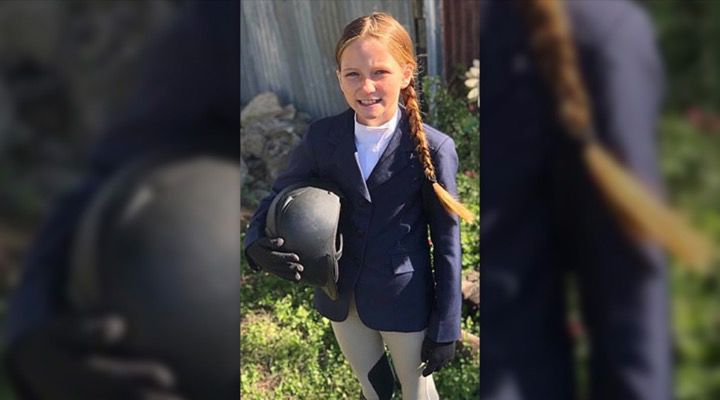
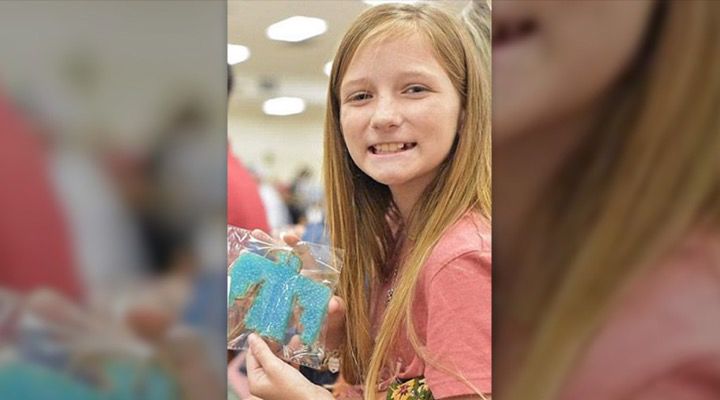
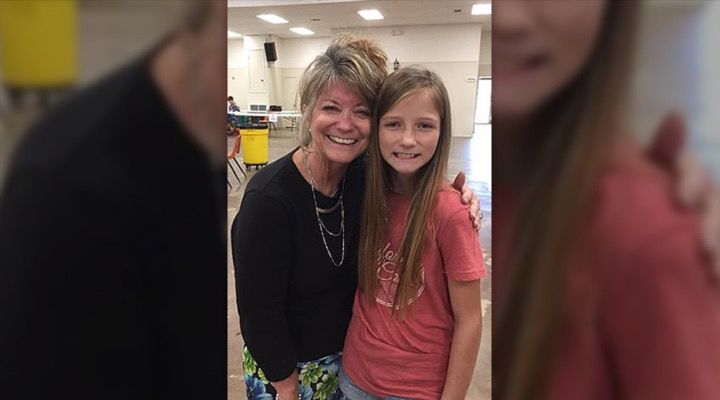
In the quiet town of Buda, Texas, Roxli Doss was a vibrant, happy 11-year-old who loved nothing more than riding her horse and spending time with her friends. She was an active, carefree girl, her laughter often ringing through the family home. Life was simple, predictable, and full of promise.


Then, everything changed.


It started as what seemed to be mild headaches—just a normal part of childhood, or so her parents, Gena and Scott Doss, thought. But these headaches soon became more intense. Roxli began experiencing nausea, dizziness, and, at times, difficulty focusing. It wasn’t long before her parents noticed a difference in her behavior—she was no longer the energetic girl they knew. She was tired, withdrawn, and struggling in ways they couldn’t explain.


Worried, the Doss family took her to the local doctor, thinking she might have migraines or perhaps even an eye problem. But after a few preliminary tests, the doctor’s face turned serious. He referred them to a specialist in Austin, Texas, urging them to act fast.


What they would soon discover was every parent’s nightmare.


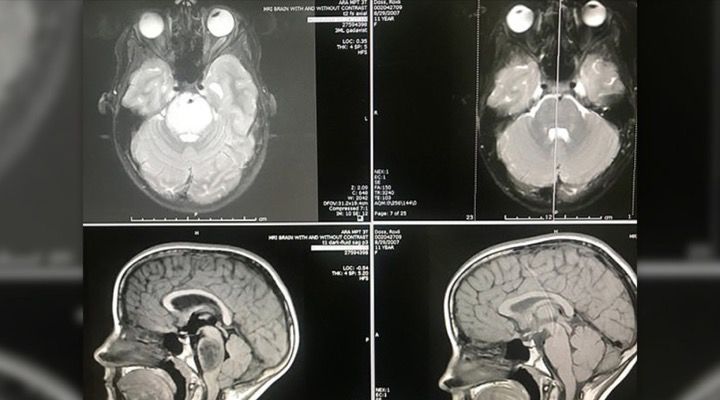
The specialists conducted a series of MRI scans and tests. Roxli’s parents waited anxiously, hoping for a simple answer—a vitamin deficiency, maybe dehydration, anything but something serious.


Then, the news came.


Roxli was diagnosed with Diffuse Intrinsic Pontine Glioma (DIPG), one of the deadliest and most aggressive brain tumors known to medicine. It develops in the pons, the part of the brainstem that controls essential bodily functions like breathing, heart rate, and motor skills.


Dr. Virginia Harrod, a pediatric neurologist at Dell Children’s Medical Center, explained the grim reality. “DIPG is a rare, devastating disease,” she said. “Over time, it affects a child’s ability to swallow, speak, and even breathe. There is no cure, and survival rates are extremely low.”


For the Doss family, it was as if the world had collapsed around them. How could this be happening? Just weeks ago, Roxli was running through fields with her horse, laughing without a care. Now, she was being told she had a terminal illness.


DIPG is a cruel disease, striking only about 200 to 300 children per year in the United States. It is notoriously difficult to treat because of its location—deep in the brainstem, where surgery is impossible. There is no known cure. Most children diagnosed with DIPG survive only 9 to 12 months after symptoms begin.


With their hearts shattered, Gena and Scott knew they had to do everything in their power to fight for their daughter.


The Doss family refused to accept this fate without a fight. They sought second, third, and even fourth opinions. They traveled to some of the most renowned medical institutions in the country:


Texas Children’s Hospital in Austin.

Dana-Farber Cancer Institute in Boston.

Johns Hopkins Children’s Center in Baltimore.

MD Anderson Cancer Center in Houston.


Each doctor gave them the same heartbreaking confirmation—Roxli had DIPG, and the prognosis was grim. There were no known survivors of this disease.


Still, Gena and Scott were determined. If a cure didn’t exist, they would pray for a miracle.


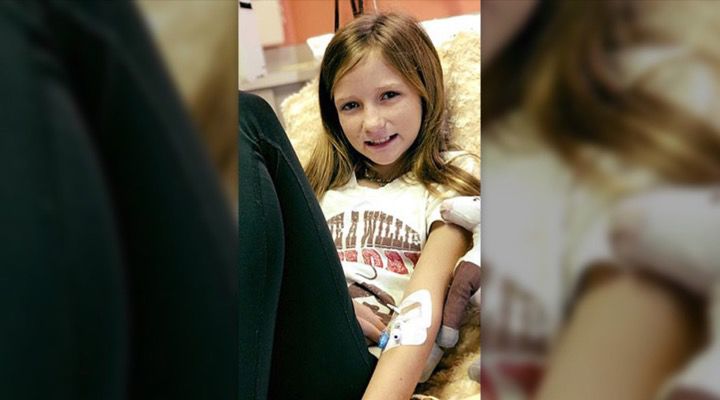
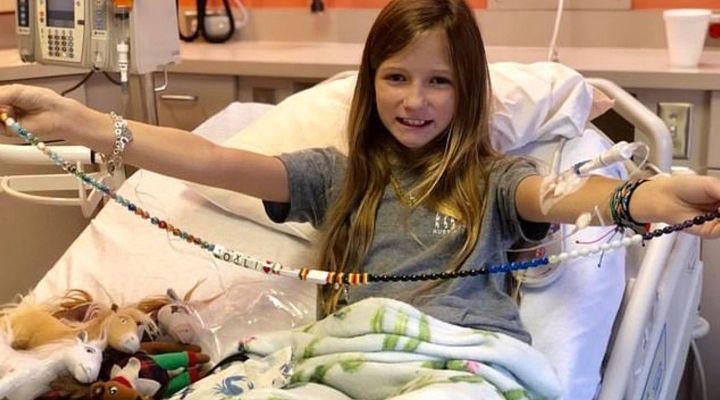
Doctors recommended radiation therapy, the only known treatment that could temporarily shrink the tumor and prolong life by a few months. Roxli underwent six weeks of intensive radiation at Dell Children’s Medical Center.


Radiation can help shrink 70% of DIPG tumors, but it’s only a temporary solution. The tumor almost always comes back stronger after a few months. The family clung to hope, but the statistics were against them.


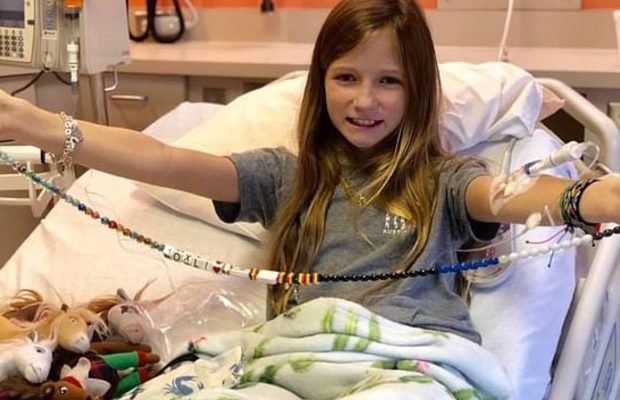
The side effects of radiation were harsh. Nausea, extreme fatigue, and difficulty swallowing became part of Roxli’s daily life. But despite the pain, she never stopped smiling. She still joked with the nurses, still tried to ride her horse on days when she had enough energy.


Her parents, meanwhile, were barely holding on. They turned to their faith and community for support. Friends, family, and strangers rallied behind them. Prayer groups gathered across the town, asking for a miracle.


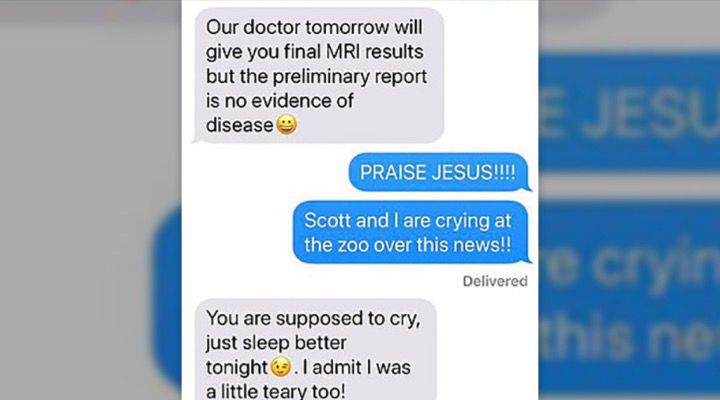
After completing six weeks of radiation, Roxli underwent another MRI scan. Doctors expected to see some shrinkage in the tumor, but they weren’t prepared for what they found.


There was nothing.


The tumor was completely gone.


Dr. Harrod, who had seen countless DIPG cases before, was speechless. “When I first saw Roxli’s MRI scan, it was actually unbelievable,” she said. “The tumor was just… gone. Completely gone.”


The entire medical team was in shock. DIPG tumors don’t just disappear. There has never been a recorded case of complete spontaneous remission in DIPG history.


Roxli’s parents could hardly believe it. “We were just stunned,” Gena said. “We had prepared ourselves for the worst. We had prayed for a miracle, but this was beyond anything we had imagined.”


Scott, holding back tears, added, “We didn’t know how long she would be healthy… and look at her, she’s just doing awesome.”


The sudden disappearance of Roxli’s tumor defied all scientific explanation. Spontaneous remission is extremely rare in cancers, but almost unheard of in DIPG.


Dr. Momna Hejmadi, a cancer researcher at the University of Bath, offered one possible explanation. “Sometimes, the body triggers an immune response that attacks cancer cells,” she explained. “In extremely rare cases, this can lead to spontaneous remission.”


Another theory suggests that radiation therapy somehow triggered the immune system to destroy the tumor. But even this doesn’t fully explain what happened—radiation typically shrinks DIPG tumors, not eliminates them completely.


Could it have been a divine intervention? A true miracle? The Doss family had no doubts.


“Every day, we say it: God healed Roxli,” Gena said. “There’s no other way to explain it.”


Doctors, though amazed, remain cautious. While Roxli’s scans show no signs of cancer, DIPG is known to return aggressively. To ensure her health, doctors have placed her on intensive follow-ups and new experimental treatments, including immunotherapy to prevent any recurrence.


While Roxli’s miraculous recovery stunned doctors and thrilled her family, the battle was far from over. DIPG is an unpredictable disease, and its sudden disappearance raised more questions than answers. No one knew if the tumor would return, and if it did, how quickly it might spread.


To ensure her continued health, doctors recommended regular MRI scans and advanced monitoring. They wanted to track her condition closely, fearing a hidden resurgence of the cancer. But for now, Roxli was healthy, happy, and completely free of symptoms.


Yet, even as the Doss family celebrated, they couldn’t ignore the shadow of uncertainty that loomed over them.


Could the Cancer Come Back?


DIPG is known for being one of the most aggressive and resistant forms of cancer. Even though Roxli’s tumor had vanished, there was no medical precedent for such a case. Doctors simply had no idea what would happen next.


One of the biggest concerns was whether this was a true remission or simply a temporary disappearance. Could the tumor have shrunk beyond visibility, only to reappear later with devastating speed?


Dr. Virginia Harrod remained cautious, stating:


“We are absolutely thrilled that the tumor is no longer visible. But we still have to be very careful. We’ll continue monitoring her closely because DIPG is highly unpredictable.”

This meant constant check-ups, MRI scans, and consultations with leading cancer experts. The Doss family braced themselves for an ongoing journey, balancing hope and fear with each new test result.


Since radiation alone should not have eliminated the tumor, doctors suggested an experimental approach to prevent any possible recurrence: immunotherapy.


Immunotherapy is a revolutionary form of cancer treatment that teaches the body’s immune system to recognize and destroy cancer cells. In some cases, it has been shown to stop cancers from returning.


However, immunotherapy is still highly experimental for DIPG patients. It had never been used in a case like Roxli’s before.


Her doctors believed that if anything could prevent a relapse, this might be it. They began planning a customized immunotherapy treatment that would keep her immune system on high alert against any hidden cancer cells.


“We’re entering new territory,” said Dr. Harrod. “There is no roadmap for a case like Roxli’s. We are learning as we go.”

For the Doss family, this was a risk worth taking. They had already witnessed a miracle, and they were willing to do everything possible to keep Roxli healthy and cancer-free.


With her tumor gone and her treatments underway, Roxli returned to something resembling a normal childhood.


She started going back to school, reuniting with friends who had feared the worst just months earlier. Her teachers, classmates, and the entire town of Buda, Texas, treated her as a living miracle. Some people even traveled from nearby towns just to see the girl who had defied all odds.


But for Roxli’s family, there was still a lingering fear—what if the tumor came back?


While Roxli resumed horseback riding, school activities, and even playing outside like any other kid, her parents remained on edge. Every time she had a headache or felt tired, they wondered: Is it happening again?


To maintain her health and monitor any changes, Roxli’s doctors scheduled frequent MRI scans. The goal was simple—catch anything suspicious before it had a chance to grow.
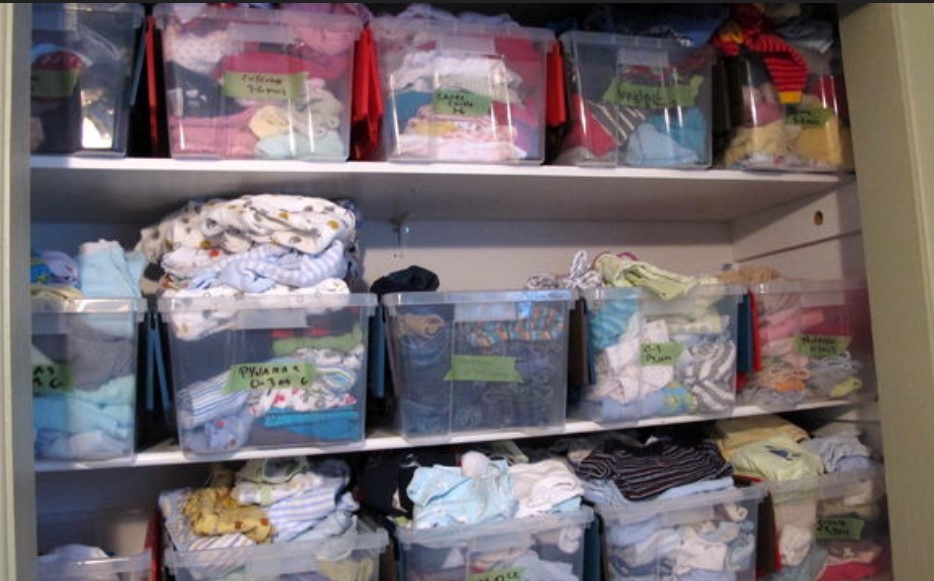

“We take things one scan at a time,” Gena said. “That’s our new normal.”
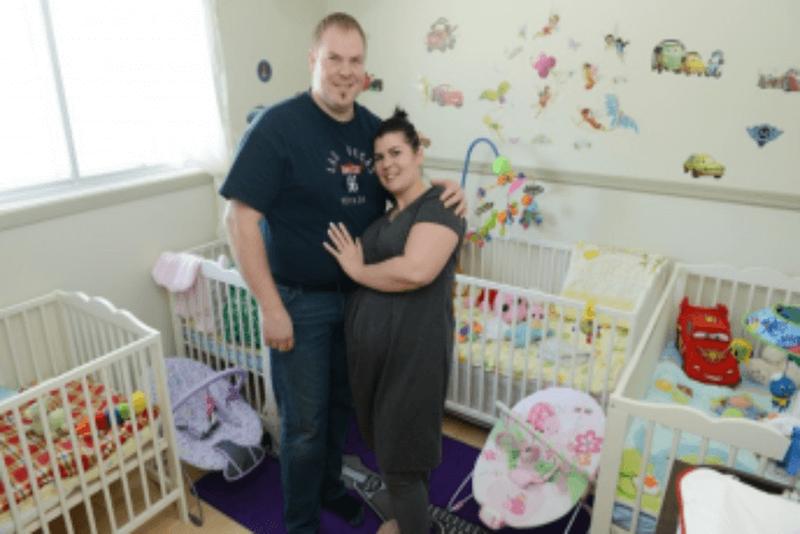
Her immunotherapy sessions were also a key part of this new phase. Since no DIPG patient had ever experienced a disappearance like hers, Roxli was a pioneer in a way—doctors wanted to see if immunotherapy could help keep the cancer away for good.


The process was exhausting, requiring frequent hospital visits, blood tests, and monitoring. But Roxli remained resilient. She had beaten the impossible before, and she was determined to live her life fully.


Even as the Doss family celebrated, scientists and doctors around the world were trying to figure out how a DIPG tumor could vanish completely.


Spontaneous remission is extremely rare, especially in aggressive brain cancers like DIPG. There were a few theories:


An Overactive Immune Response:

Some doctors believe her immune system somehow recognized the tumor as a foreign threat and attacked it.

Similar cases have been reported in some types of cancer, but never before in DIPG.

Radiation Triggering a Deeper Healing Response:

While radiation usually shrinks DIPG tumors, it never eliminates them completely.

Some researchers theorized that the radiation triggered an extreme immune reaction that helped destroy the tumor.

A One-in-a-Billion Medical Anomaly:

The medical community had no definitive explanation.

Some doctors admitted that this was simply unexplainable—a one-in-a-billion event.

While scientists searched for answers, Roxli just wanted to be a normal kid.


Throughout Roxli’s journey, faith played a central role. The Doss family prayed every day, believing that God had healed their daughter.


The entire town of Buda, Texas, had come together to support them—whether it was through prayer, fundraisers, or simple gestures of kindness.


Even strangers who had never met Roxli before sent messages of encouragement and support.


“Every day, we still say it: God healed Roxli,” Gena said. “There’s no other way to explain it.”

But while the family was deeply grateful, they still had to deal with the financial burden of Roxli’s treatments.


Cancer treatment is incredibly expensive, and even though Roxli was now cancer-free, the medical bills had piled up.


The Doss family set up a GoFundMe page, hoping to raise $50,000 to cover Roxli’s medical expenses.


So far, they had raised around $25,000, but they still needed more support.


“We are using this page to keep family and friends updated in one place,” the Doss family wrote. “We appreciate your support and words of hope and encouragement.”

The outpouring of love was overwhelming. People donated whatever they could—some gave small amounts, while others donated thousands.


For the Doss family, every dollar mattered. Every bit of help meant they could focus on Roxli’s health without financial stress.


As word of Roxli’s story spread, she became an inspiration to thousands of families battling childhood cancer.


Parents of children with DIPG reached out to the Doss family, hoping to learn from their experience. Some clung to hope, wondering if their child might be the next Roxli.


The case even caught the attention of cancer researchers around the world. Many hoped to study Roxli’s medical records, looking for clues that could lead to future treatments.


While the Doss family had no concrete answers, they were grateful for every single day with their daughter.


A year after her miraculous remission, Roxli is thriving.


She has returned to horseback riding, school, and hanging out with her friends—activities that once seemed impossible when she was first diagnosed.


“She’s just doing awesome,” Scott Doss said. “We didn’t know how long she would be healthy, but look at her now.”

The regular MRI scans continue. Each scan is a moment of tension for the family. So far, there has been no sign of the cancer returning.


Doctors remain cautious but hopeful. If Roxli stays cancer-free for several years, her case could lead to groundbreaking research into how some cancers mysteriously disappear.


For now, the Doss family takes it one day at a time, grateful for every moment they have with their daughter.


“No matter what happens, we are blessed,” Gena said. “We got our miracle.”


  In the quiet suburbs of Montreal, Canada, Paul Servat, a man in his 30s, yearned for a family to call his own. Surrounded by supportive fr...

Quintuplets Father-To-Be Takes Girlfriend to the Hospital, Doctors Reveal a Terrible Secret Quintuplets Father-To-Be Takes Girlfriend to the Hospital, Doctors Reveal a Terrible Secret


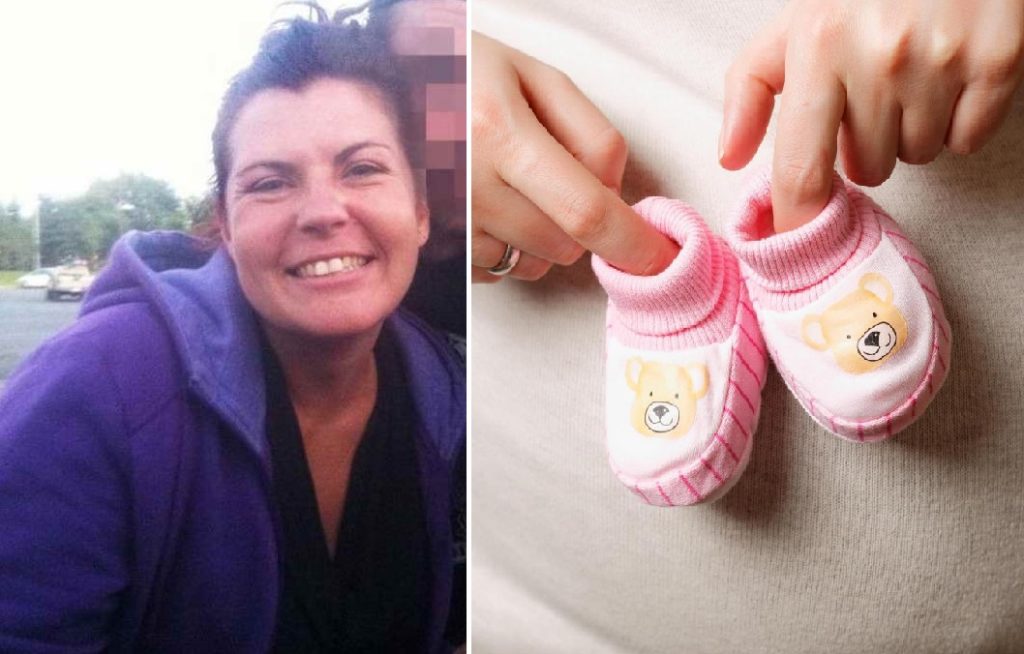
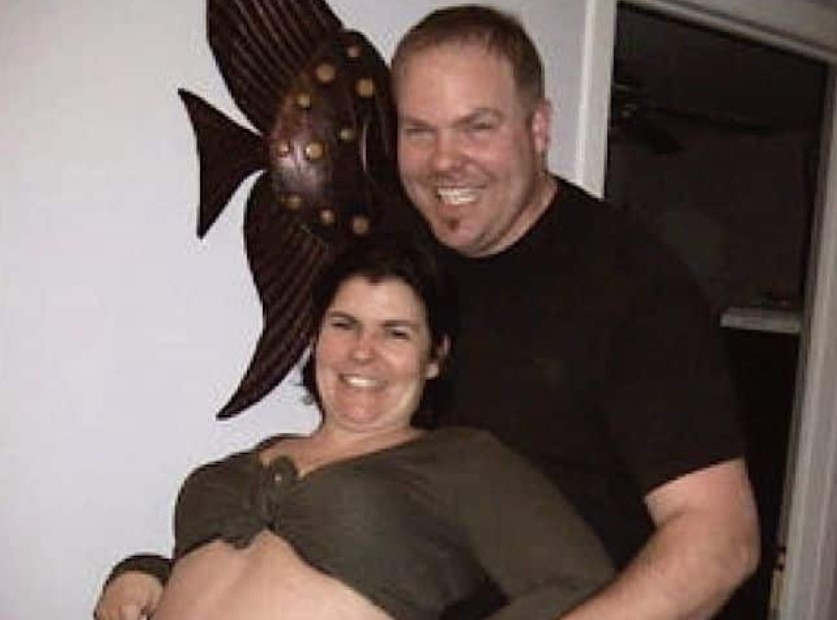
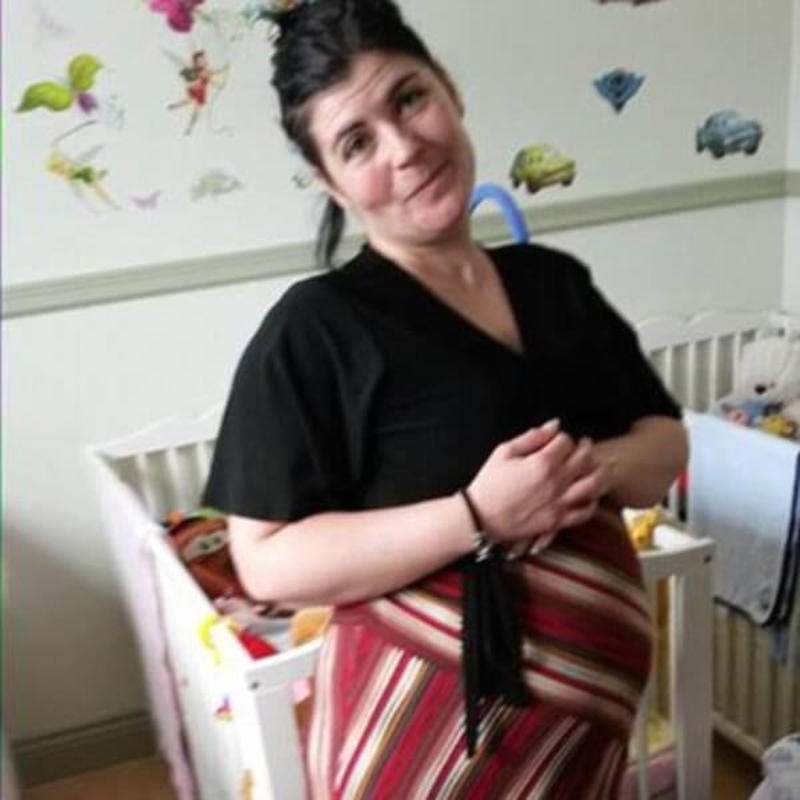
In the quiet suburbs of Montreal, Canada, Paul Servat, a man in his 30s, yearned for a family to call his own. Surrounded by supportive friends and a stable career, he felt the absence of a life partner and children. Determined to change this, Paul turned to online dating, hoping to find his soulmate. Little did he know, this decision would lead him down a path of deception and heartbreak that would alter his life forever.


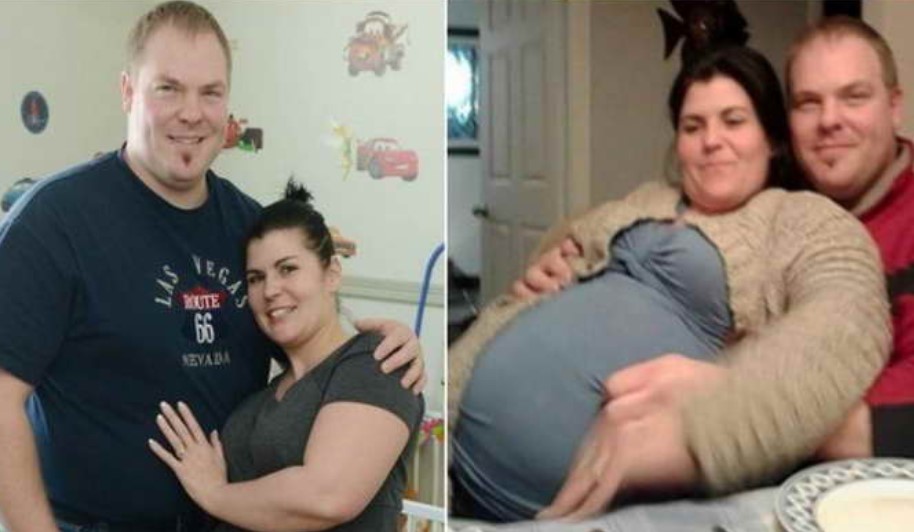
In September 2013, Paul connected with Barbara Bienvenue, a 37-year-old woman from Quebec, on a dating website. Their online conversations quickly blossomed into a whirlwind romance. Within weeks, Barbara shared unexpected news: she was pregnant. Overwhelmed with joy, Paul embraced the prospect of fatherhood, envisioning a future filled with love and laughter.


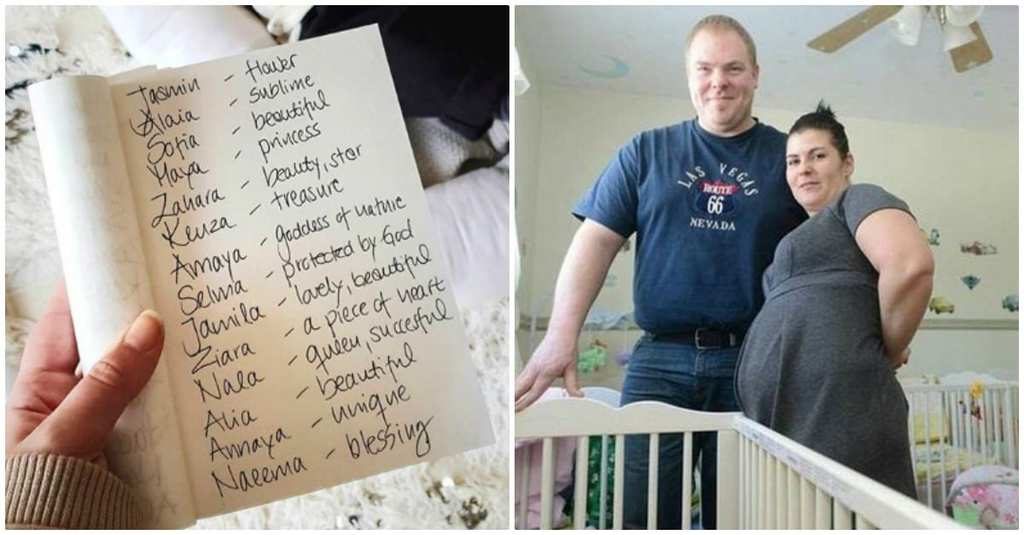
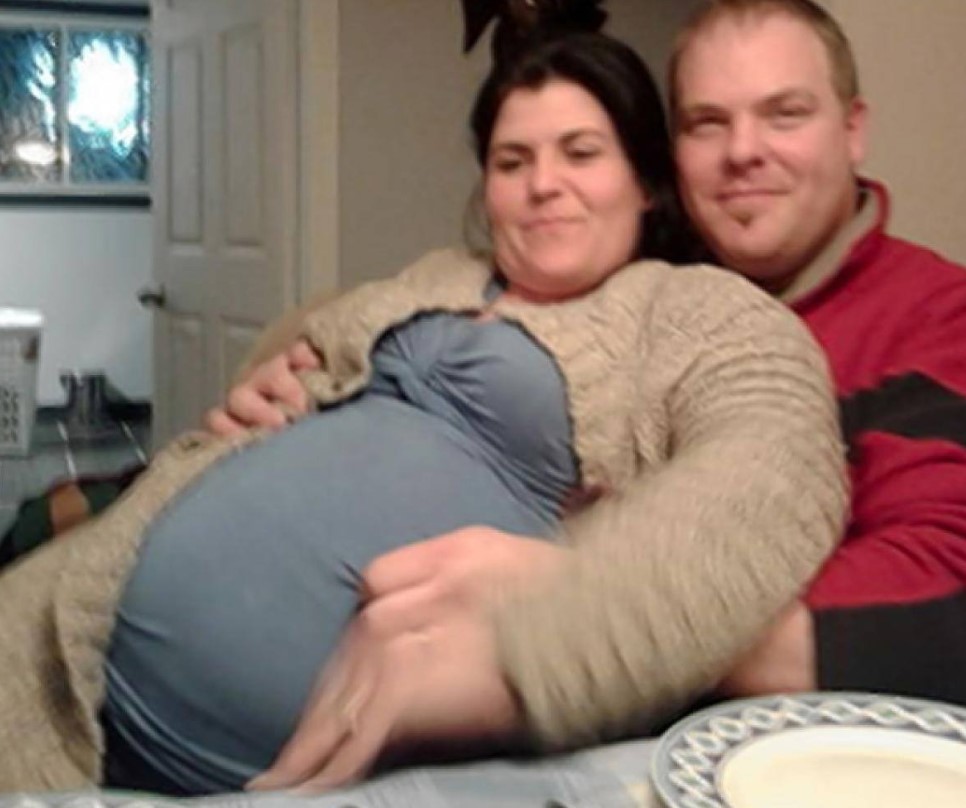
As the months passed, Barbara's pregnancy became the center of their lives. Initially, she announced they were expecting twins. Soon after, this number grew to triplets, then quadruplets, and finally quintuplets. Barbara's belly expanded accordingly, and she exhibited typical pregnancy symptoms, including morning sickness and lactation. Paul, though surprised by the rapid escalation, remained supportive and excited about their growing family.


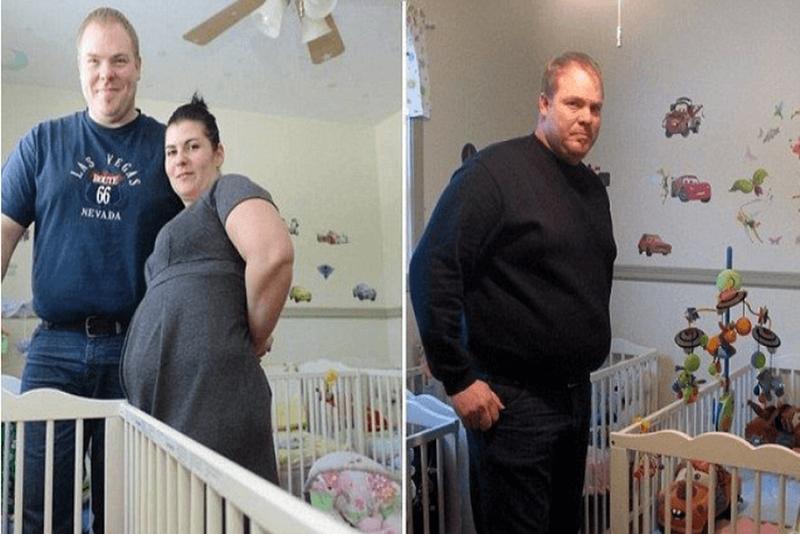
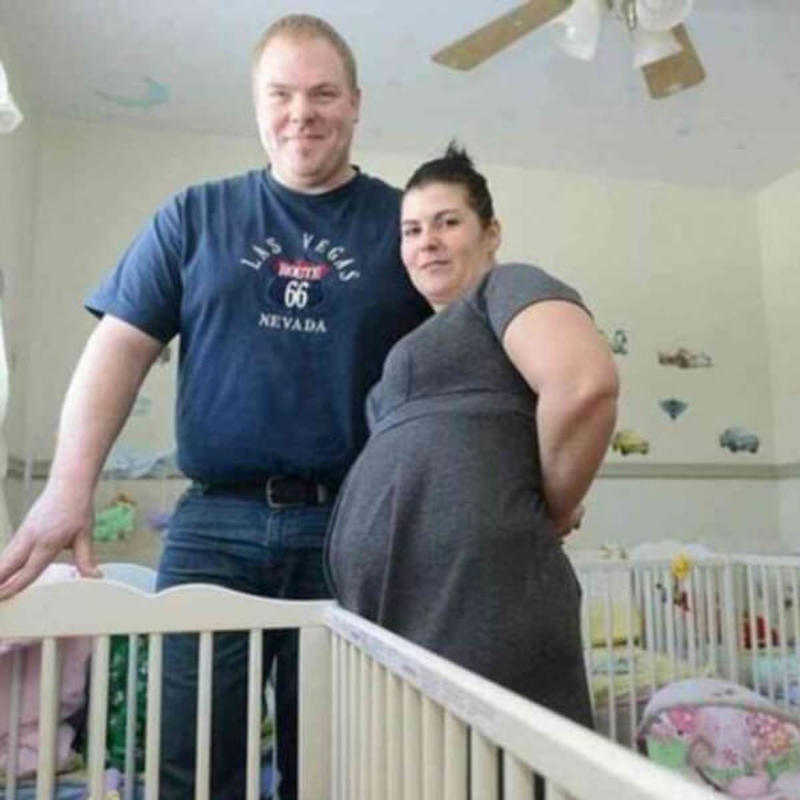
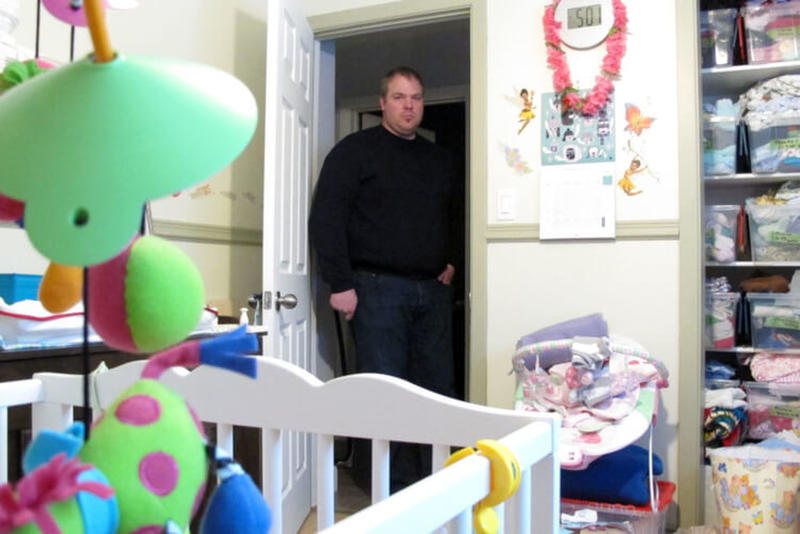
News of the impending quintuplets spread throughout their community. Friends, family, and even local businesses rallied around the couple, offering donations, organizing baby showers, and preparing for the arrival of the five babies. The outpouring of support was immense, with cribs, diapers, and baby clothes filling their home. Paul documented their journey on social media, sharing updates and expressing gratitude for the community's generosity.


In March 2014, at what was believed to be 34 weeks into the pregnancy, Barbara claimed she was going into labor. Paul rushed her to the hospital, eager to meet their children. However, the medical staff, unable to find any records of Barbara's prenatal care, conducted thorough examinations. To Paul's shock and devastation, doctors revealed that there were no babies; Barbara was not pregnant. She was experiencing a phantom pregnancy, a rare psychological condition where a woman exhibits physical signs of pregnancy without actually being pregnant.


The revelation left Paul heartbroken and humiliated. He had been deceived by the woman he loved and had unknowingly misled his community. Barbara was admitted to a hospital for psychiatric evaluation and treatment. As the truth unfolded, it was discovered that this was not the first time Barbara had fabricated a pregnancy, indicating a pattern of psychological distress.


In the wake of the deception, Paul faced the daunting task of rebuilding his life. He returned the donated items and issued public apologies to those who had supported them. The experience left deep emotional scars, but with the support of his family and friends, Paul began the process of healing, determined to find genuine happiness in the future.


For months, Paul Servat had lived in a dream—one filled with excitement, anticipation, and hope for the future. But in the blink of an eye, everything he had built came crashing down. The truth about Barbara’s pregnancy was so devastating that it felt like a cruel joke, one that left him reeling in disbelief.


As he sat in the hospital, staring blankly at the doctor who had just shattered his world, his mind raced through every moment he had shared with Barbara. How had she managed to deceive him so thoroughly? How had he not seen the signs?


And the most painful question of all—why?


Paul wasn’t alone in his confusion. When news of the deception broke, many people struggled to understand how something like this could happen.


A phantom pregnancy, or pseudocyesis, is a psychological condition in which a woman exhibits many of the symptoms of pregnancy—including a growing belly, morning sickness, weight gain, and even lactation—without actually being pregnant. It is a rare but well-documented medical phenomenon, often linked to deep-seated emotional or psychological distress.


Doctors explained that Barbara’s body had physically reacted to the belief that she was pregnant. Hormonal changes triggered real symptoms, fooling even herself into thinking she was carrying multiple babies. But what made her case even more shocking was the extent of the deception and the fact that she had done it before.


This revelation left Paul grappling with two painful realities: not only had he lost the future he had envisioned, but he had also been unknowingly trapped in an elaborate lie.


As Paul processed what had happened, more disturbing details emerged.


Shortly after the news broke, a relative of Barbara’s reached out to him with a chilling warning: "This isn’t the first time she’s done this."


The family member revealed that Barbara had a history of fabricating pregnancies, cutting ties with loved ones each time she carried out her elaborate schemes. They had lost touch with her for years, and now they understood why—she had been hiding her deception from them, just as she had hidden it from Paul.


A former boyfriend of Barbara’s also came forward, recounting a nearly identical story. He too had been led to believe he was going to be a father, only to discover that it was all a lie. In his case, Barbara had claimed to be pregnant with twins, even using the fake pregnancy to gain financial support from family and friends.


It became painfully clear that this was not a tragic misunderstanding. Barbara had knowingly deceived Paul, exploiting his dreams of a family for reasons only she understood.


The aftermath of the revelation rippled far beyond Paul himself.


For months, friends, family, and even complete strangers had poured their support into helping him prepare for the arrival of five babies. Donations had flooded in—cribs, diapers, baby clothes, financial contributions—all given in good faith by people who believed they were helping a young couple facing an extraordinary challenge.


Now, Paul found himself in the heartbreaking position of having to return everything.


He took down the Facebook page that had been documenting the pregnancy. He reached out to those who had donated, explaining the shocking truth and offering to return the gifts. Some people were sympathetic, understanding that he had been as much a victim as anyone else. Others were angry, feeling deceived and betrayed by Barbara’s lies.


The news even made national headlines, with newspapers and TV stations covering the bizarre case. People were stunned. How could something like this happen? How could a woman go to such extreme lengths to fake a pregnancy?


But amidst all the confusion and outrage, Paul was left with one burning question—what had been her motive?


Psychologists who studied Barbara’s case suggested that her actions could have been driven by a variety of factors.


Some speculated that she suffered from delusions related to an extreme desire to be loved and needed. Others pointed to possible past trauma or mental illness that had led her to seek attention and validation in the most destructive way possible.


One theory suggested that Barbara may have experienced a deep fear of abandonment and used the pregnancy to secure a relationship. If Paul believed they were having children together, she might have assumed he would never leave her.


But regardless of the reason, the damage had already been done.


Paul had lost not only his dream of a family but also his trust in people.


In the weeks following the revelation, Paul withdrew from public attention. The humiliation was unbearable.


He had to face the reality that his love, his sacrifices, and his excitement had all been for nothing. Every late-night conversation about baby names, every ultrasound appointment she claimed to have had, every moment he spent preparing for fatherhood—it had all been a lie.


His parents were devastated. They had been looking forward to becoming grandparents, and now that future had been ripped away from them just as suddenly as it had appeared.


Friends tried to support him, but there was little they could say to ease the pain. How do you comfort someone who has had his entire future stolen by a lie?


In time, Paul began the slow process of healing. He focused on his work, spent time with those who truly cared for him, and tried to make sense of what had happened.


But the scars remained.


Paul’s story became a cautionary tale about trust, deception, and the dangers of blind faith.


He had gone into the relationship with an open heart, believing he had finally found his soulmate. But love had blinded him to the red flags—how quickly the relationship progressed, how Barbara avoided involving him in her medical appointments, how her story kept changing.


While many sympathized with him, some couldn’t help but wonder: How could he not have noticed the truth sooner?


The answer was simple—he wanted to believe.


He wanted to believe he had finally found the love of his life. He wanted to believe that his dreams of fatherhood were coming true. And he wanted to believe that the woman he loved was telling him the truth.


In the end, that trust was his greatest downfall.


Years later, Paul has largely moved on from the traumatic experience. He has remained out of the public eye, choosing to rebuild his life in privacy.


But the betrayal he endured left an indelible mark.


Finding love again would not be easy. Trust, once shattered, is difficult to rebuild. How could he ever be sure that another woman wouldn’t lie to him the way Barbara did?


He had once dreamed of growing old with someone, raising a family, and building a future together.


Now, he approaches love with caution.


The pain of Barbara’s deception may fade with time, but the lesson he learned will stay with him forever:


Not everyone who claims to love you is who they seem.